Psychosis and Thought Disorder Resources
Our team offers updated research backed educational materials on the subject of thought disorders and psychosis. Topics covered range from how to recognize symptoms early on to what treatment should look like when these symptoms co-occur with other conditions like cannabis abuse, autism, OCD or tech (screen-time) addiction. The articles below were written for patient and their families who are new to the topic. These topics are explored further in our podcast series: The Mind Exposed. If you are looking for more in depth articles or resources please see our Library page, and if you cant find what you are looking for then please suggest a topic using the form at the bottom of this page.


OTHER ARTICLES FROM OUR TEAM
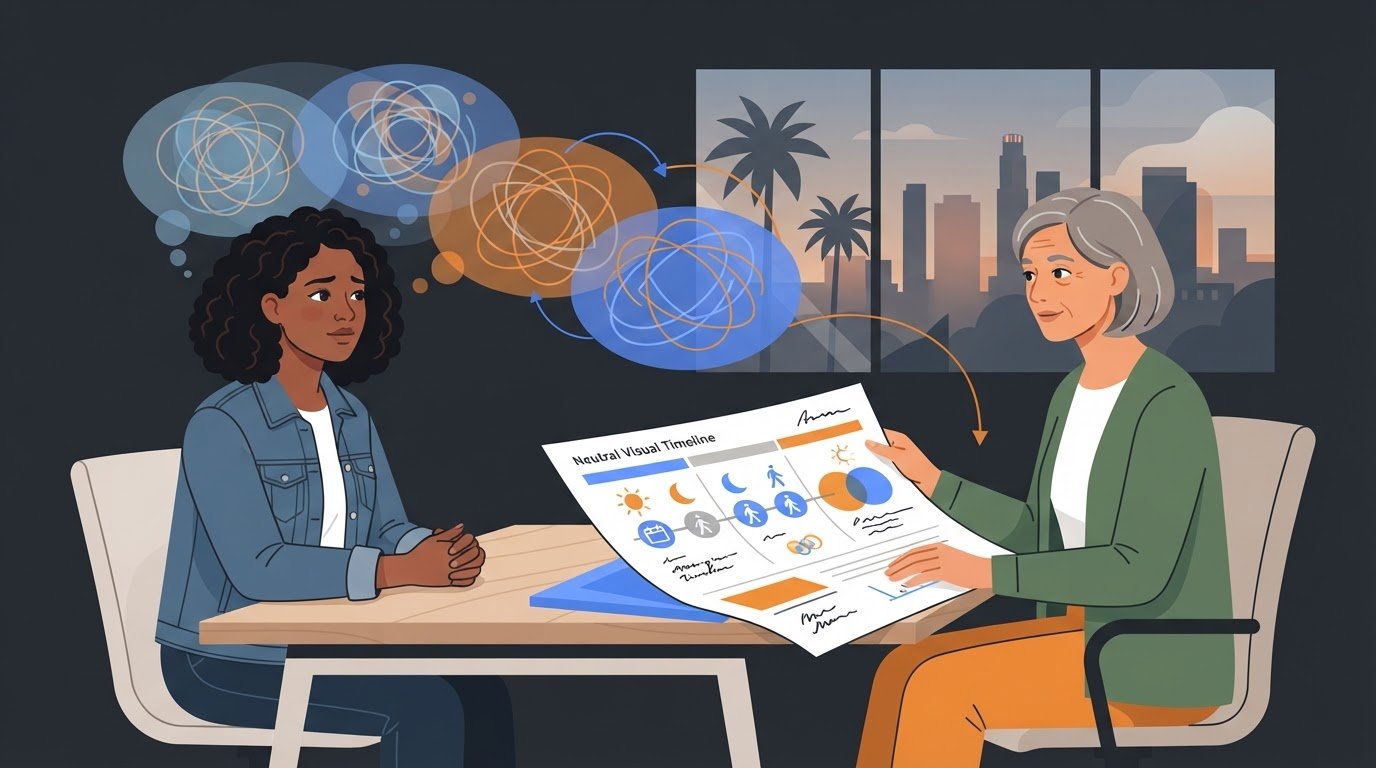
Afraid of Being Diagnosed with Schizophrenia? Understanding the Fear
Living with the fear of being diagnosed with schizophrenia? Discover what this fear means, how evaluations work, and practical steps to find clear answers.

Therapy for Paranoia and Suspicion in Los Angeles: Finding the Right Support
Find expert therapy for paranoia and suspicion Los Angeles. Learn about specialized assessments, CBTp, and outpatient support to help restore peace of mind.
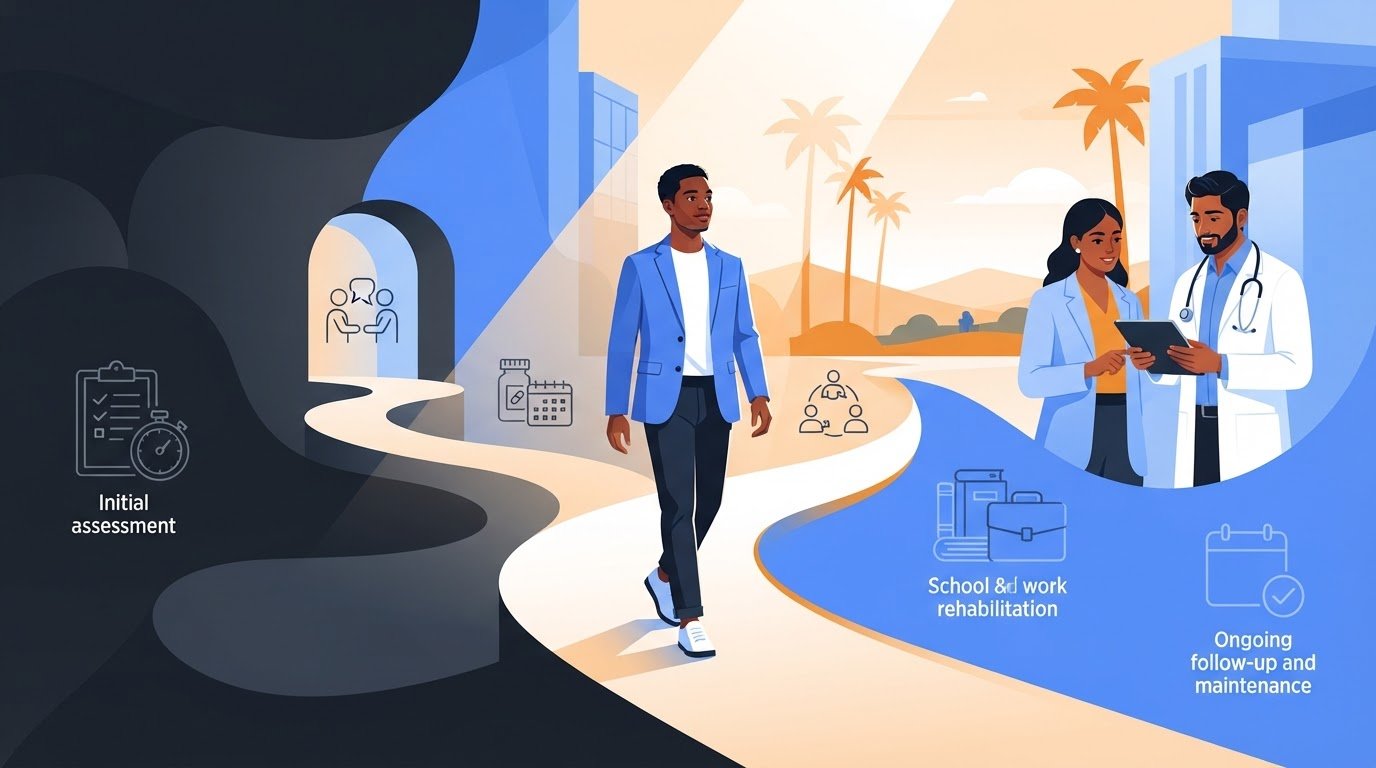
Can You Fully Recover From a Psychotic Break? What Recovery Can Look Like
Can you fully recover from a psychotic break? Discover what recovery looks like, how tailored care aids progress, and practical steps to reclaim your future.

Psychiatric Evaluation for Psychosis in Los Angeles: What to Expect
Seeking a psychiatric evaluation for psychosis Los Angeles? Learn what to expect, how to prepare, and find clarity on treatment options and care steps.
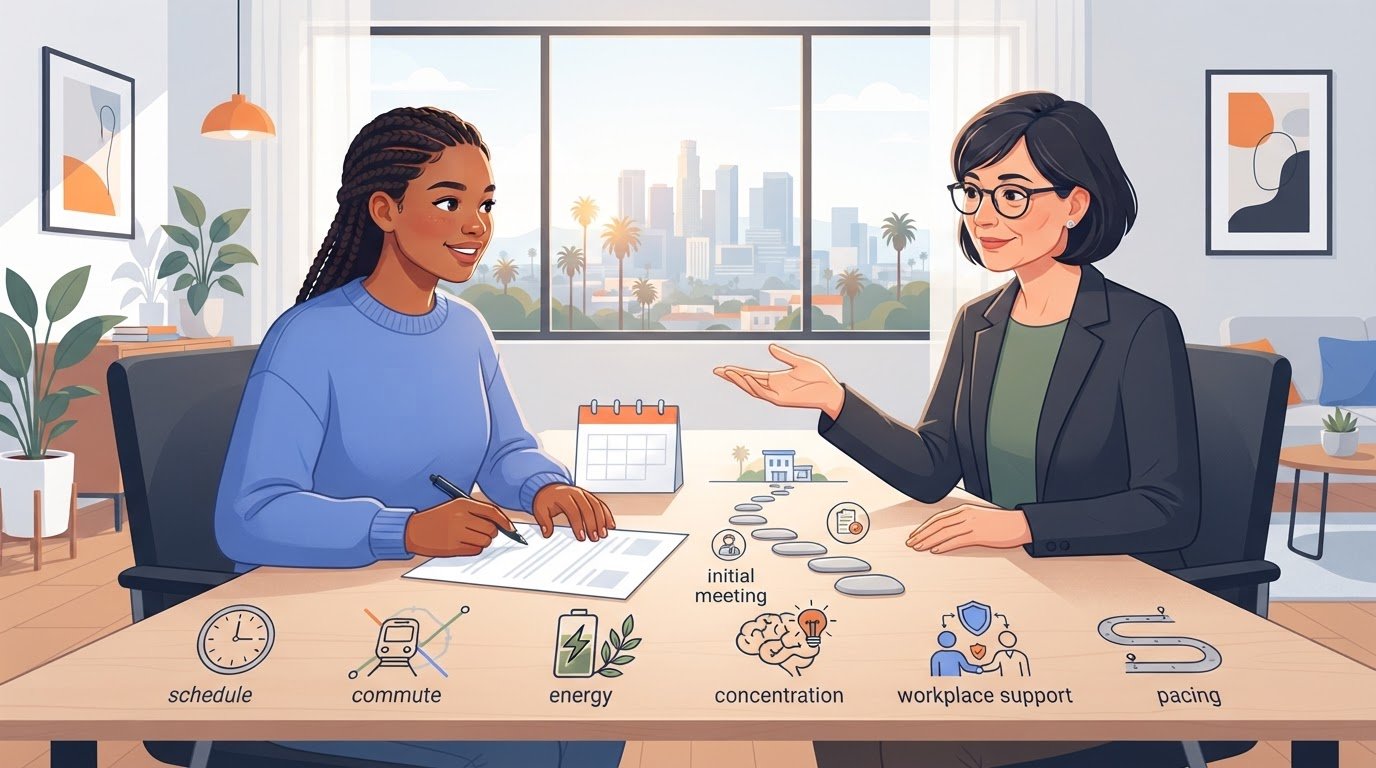
How to Find a Job After Psychosis Recovery: A Practical Guide
Learn how to find a job after psychosis recovery with actionable tips on pacing your search, handling resume gaps, and exploring supported employment programs.

Outpatient Care After a 5150 Hold in Los Angeles: A Guide to Sustained Recovery
Discover how to find outpatient care after 5150 hold Los Angeles. Build a 30-day recovery roadmap with specialized psychosis care and ongoing family support.
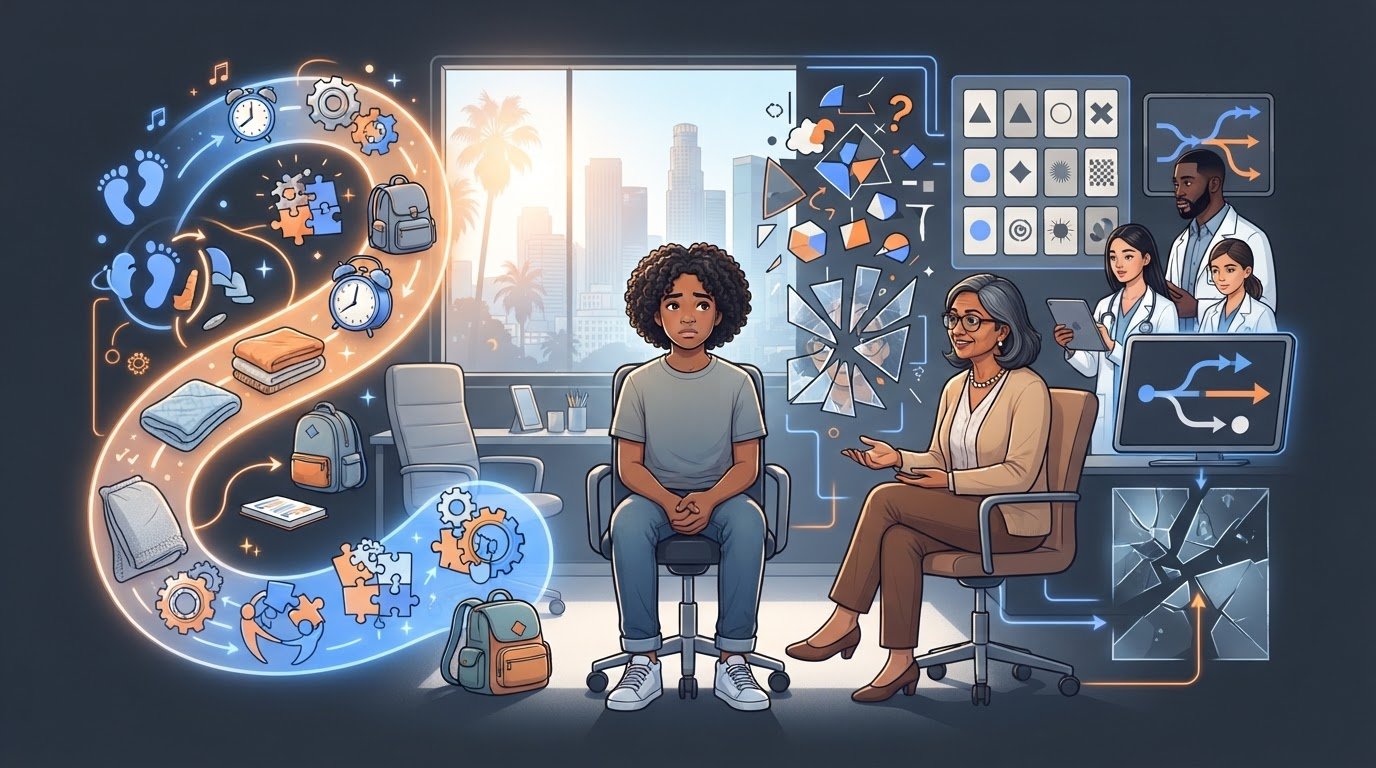
Differential Diagnosis Psychosis vs Autism: A Clinical Guide to Accurate Assessment
Master the differential diagnosis psychosis vs autism. Learn key clinical markers, reality testing differences, and assessment steps to avoid misdiagnosis.
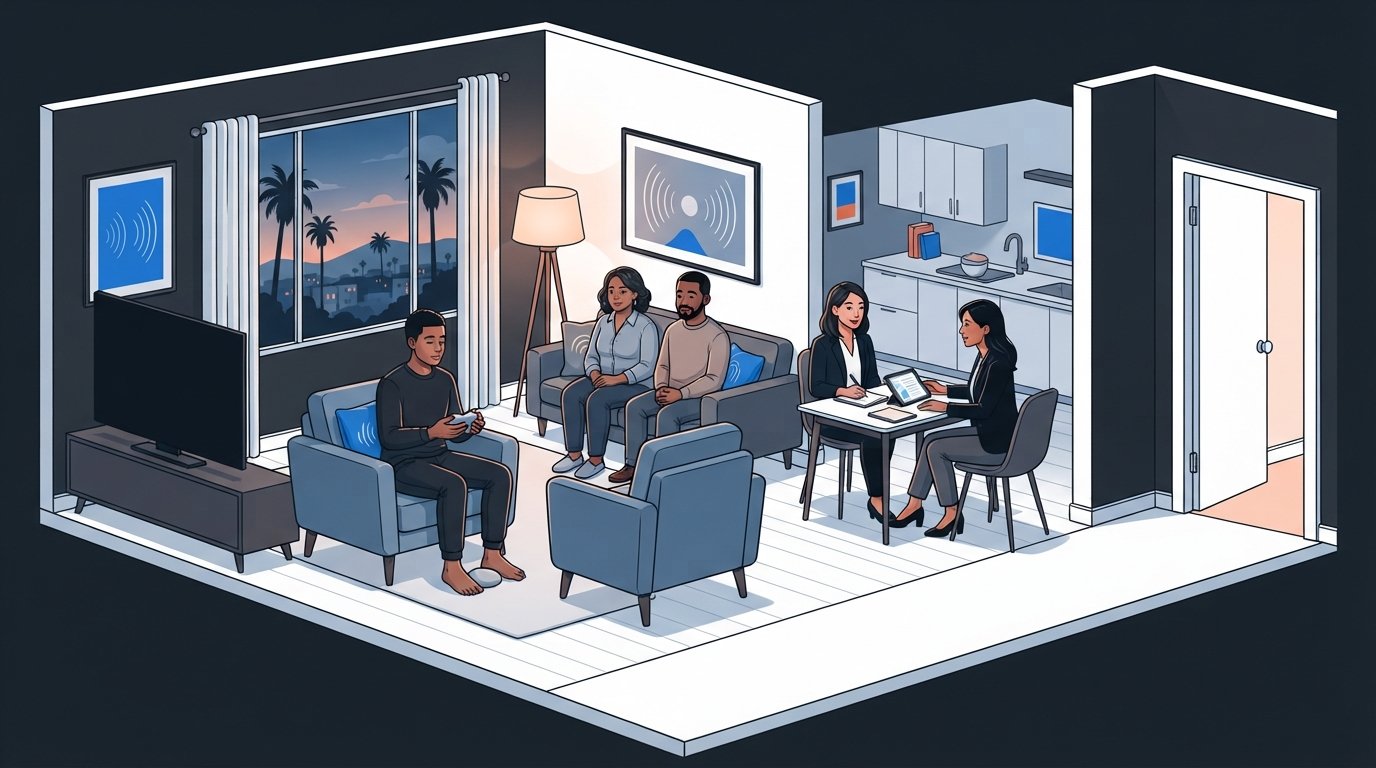
Managing Psychosis at Home: Clinical and Family Guide
Learn proven strategies for managing psychosis symptoms at home. Discover de-escalation scripts, safety planning, and when to seek emergency clinical care.
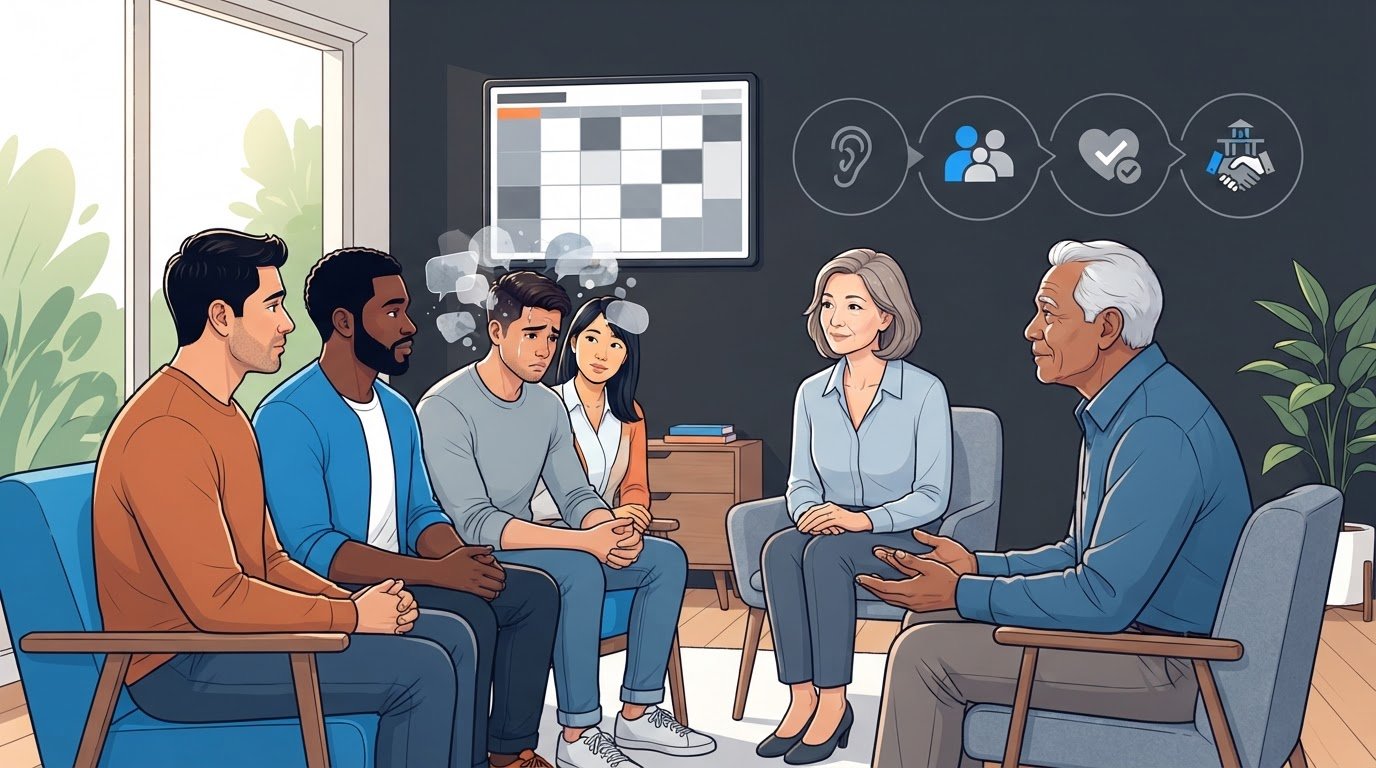
Communication Strategies for Families with Psychosis
Discover effective communication strategies for families with psychosis. Learn to defuse acute conflict, validate emotions safely, and rebuild trust today.
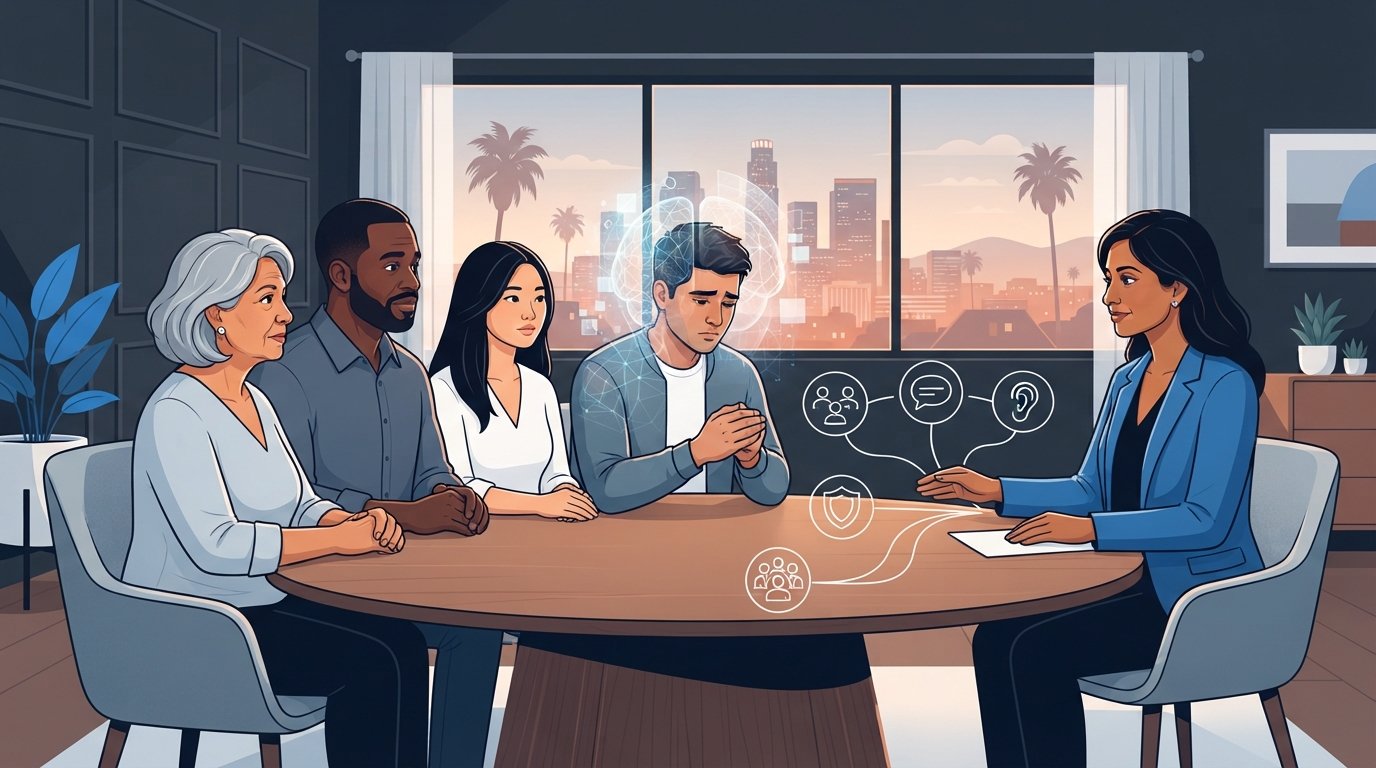
What to Do When a Loved One Refuses Treatment in LA
Loved one refusing treatment in LA? Learn how to navigate anosognosia, California mental health laws, and CARE Court to find compassionate, lasting care.
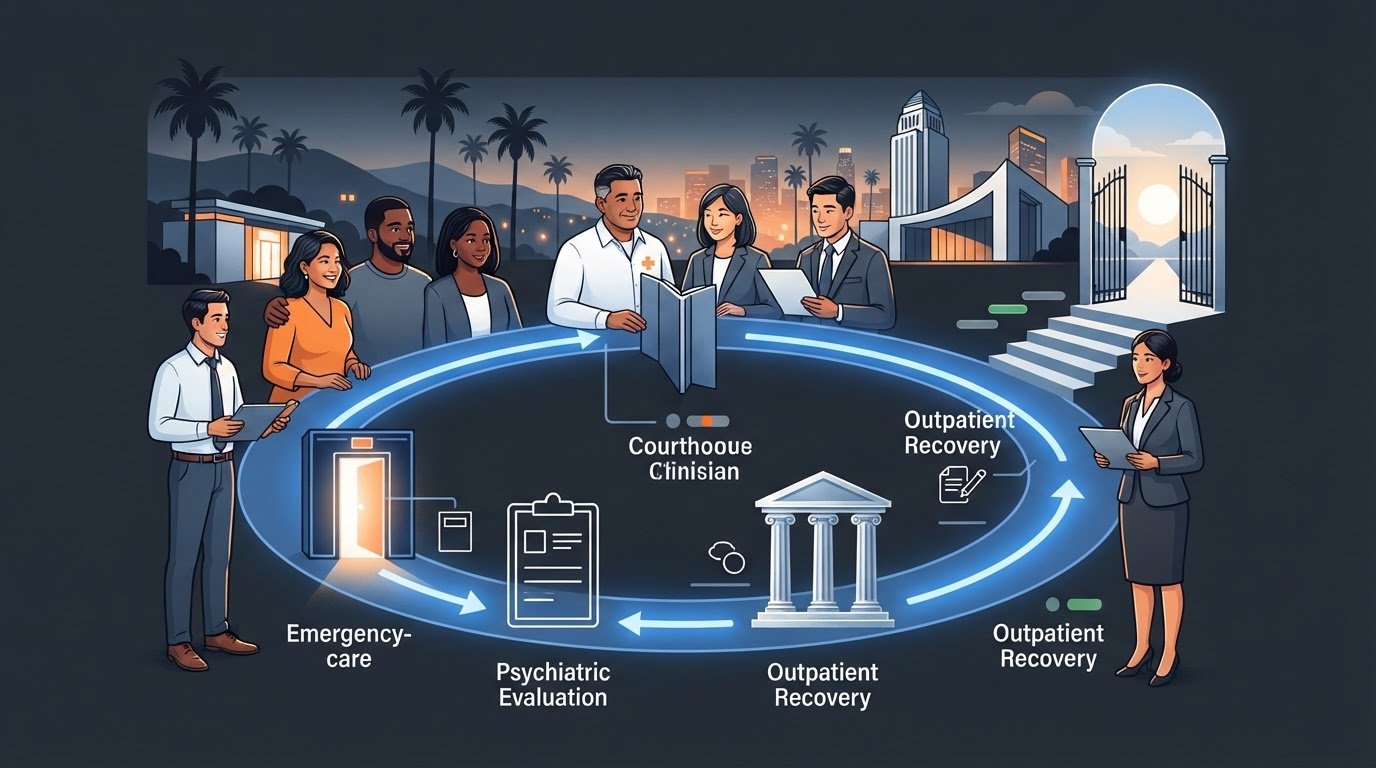
Navigating Mental Health Conservatorship in Los Angeles
Navigate mental health conservatorship in Los Angeles. Learn LPS vs Probate laws, SB 43 updates, and clinical pathways to help your loved one stabilize today.
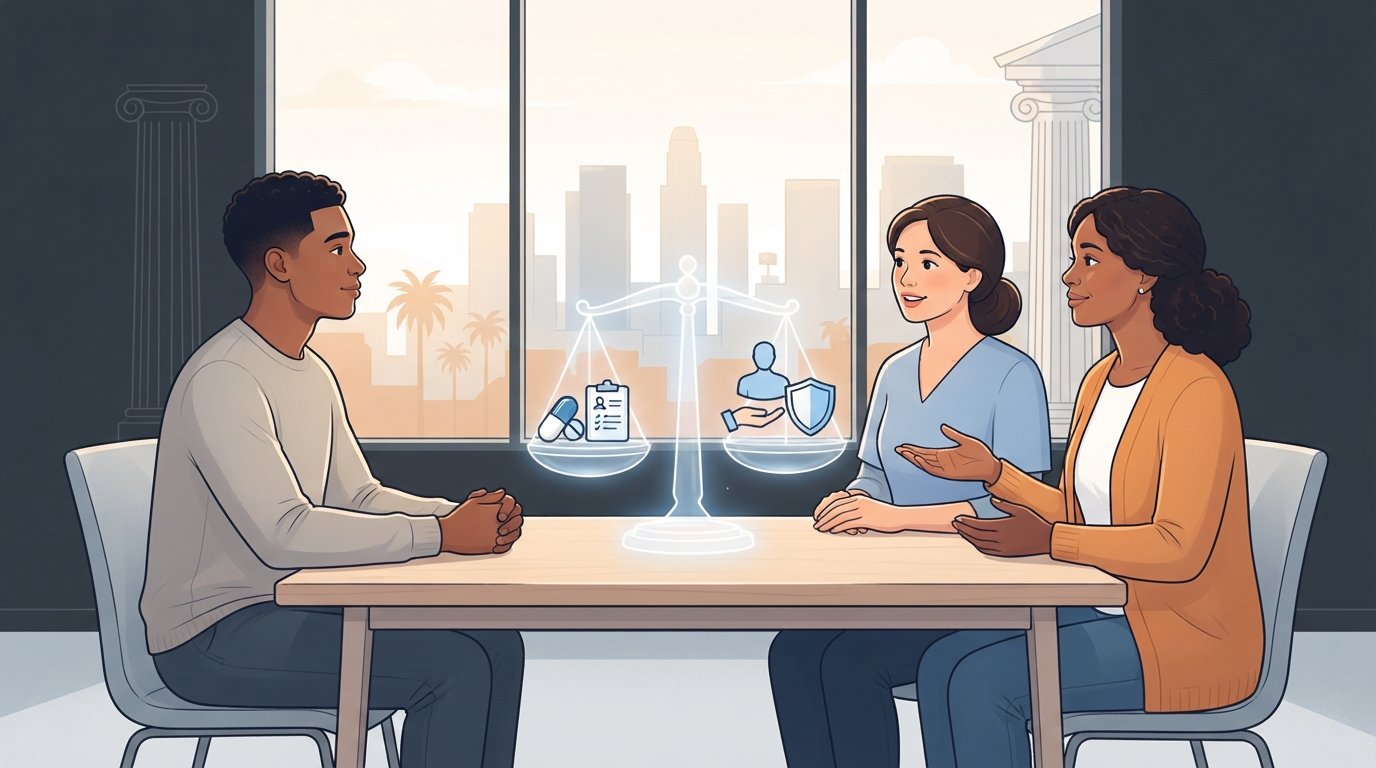
Understanding Forced Medication Rights in Los Angeles
Navigate forced medication laws in Los Angeles. Learn your rights under the LPS Act, Riese hearings, and compassionate paths to mental health recovery today.
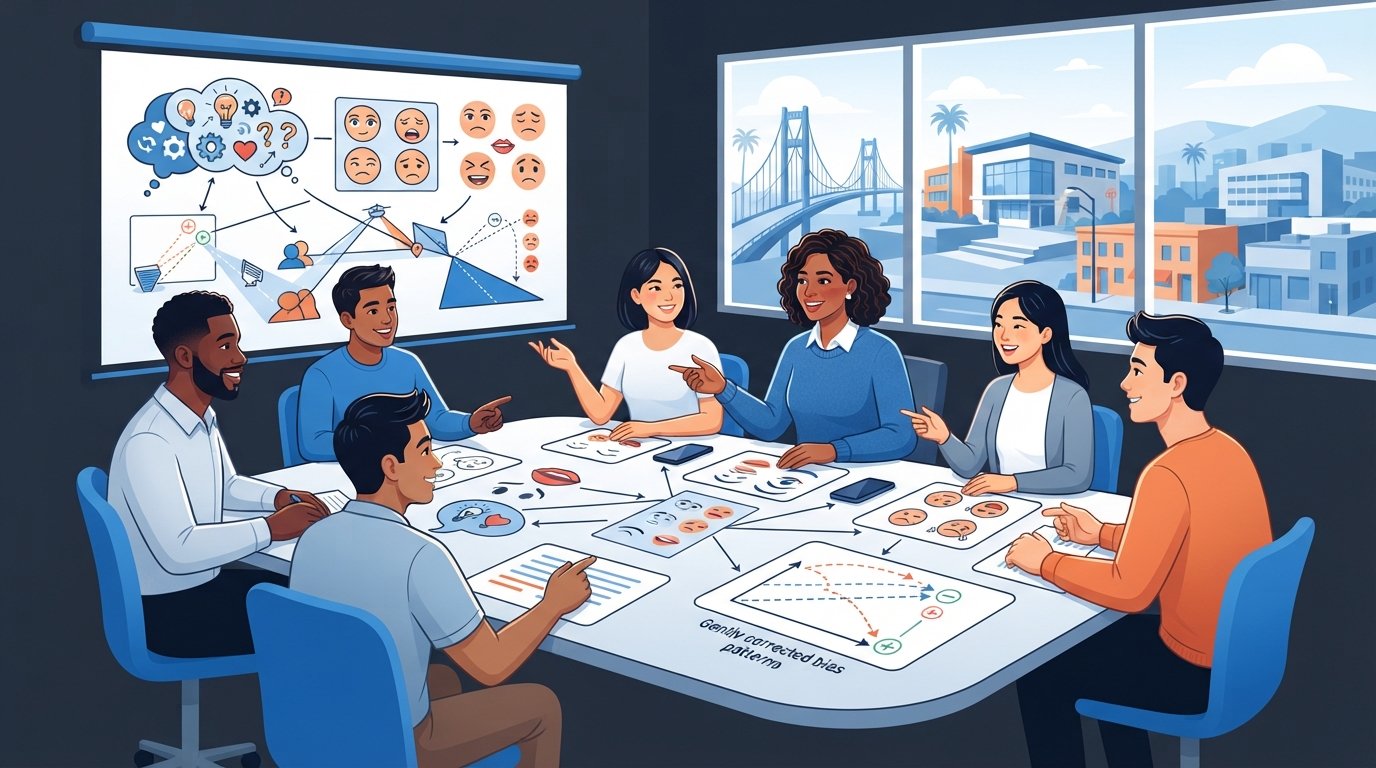
Better Communication: Skills Training in Los Angeles
Seeking communication skills training in Los Angeles? Discover clinical strategies to overcome social barriers, build connection, and achieve your goals.
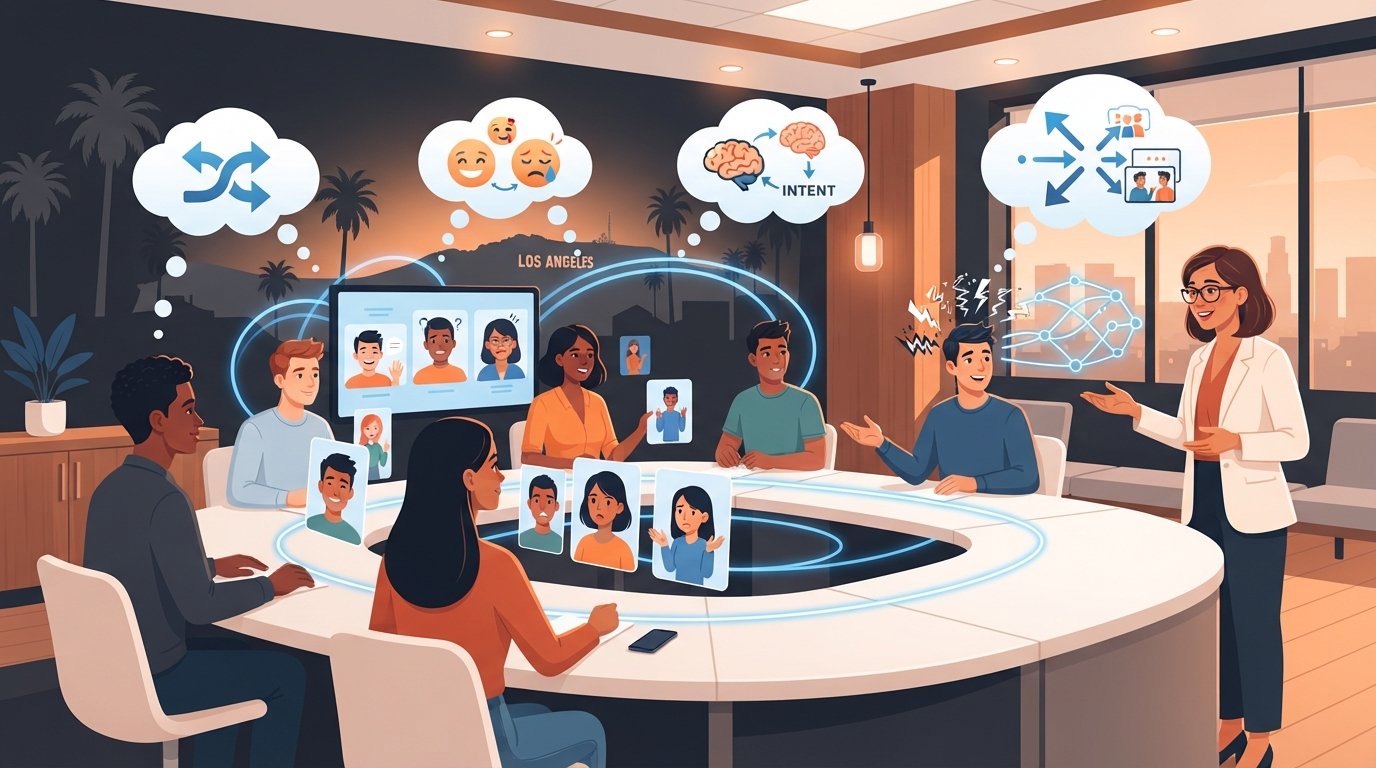
Social Cognition Deficits: Training & Help in Los Angeles
Overcome social cognition deficits with evidence-based training in Los Angeles. Learn proven cognitive therapies to rebuild connections and social confidence.

Social Rehab Clubhouses: A Guide for Los Angeles Families
Discover how a mental health Clubhouse in Los Angeles restores dignity, reduces rehospitalization, and helps members return to work or school. Learn more now!

Family Psychoeducation for Psychosis in Los Angeles
Find hope with family psychoeducation for psychosis Los Angeles. Our guide helps reduce rehospitalization and provides a clear roadmap for your loved one's r...

Social Skills Training (SST) in Los Angeles: Build Confidence
Learn how our evidence-based Social Skills training (SST) in Los Angeles bridges the gap from recovery to a thriving life, career, and lasting friendships.
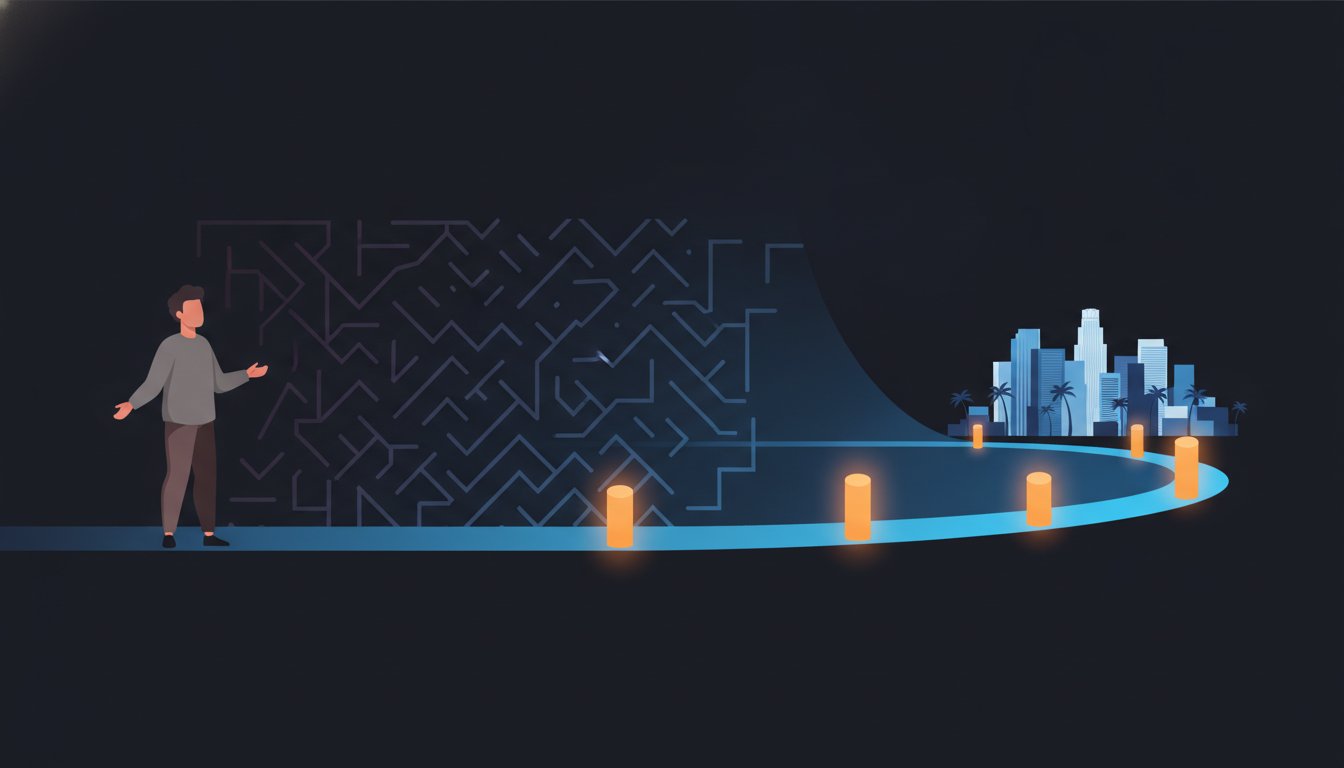
Psychosis Treatment in Los Angeles: A Resource Guide to Recovery
Find effective psychosis treatment in Los Angeles. Our guide helps you navigate resources for long-term recovery, community reintegration, and a return to wo...

Bipolar 1 Disorder: Symptoms, Mania, and the Path to Functional Recovery
Understand bipolar 1 disorder beyond the diagnosis. Explore symptoms, mania, and the path to functional recovery for social and professional success.

Vocational Rehabilitation for Bipolar Disorder: A Clinical Path to Career Success
Find career success with vocational rehabilitation for bipolar disorder. Our clinical path uses cognitive remediation to help you reclaim your professional l...
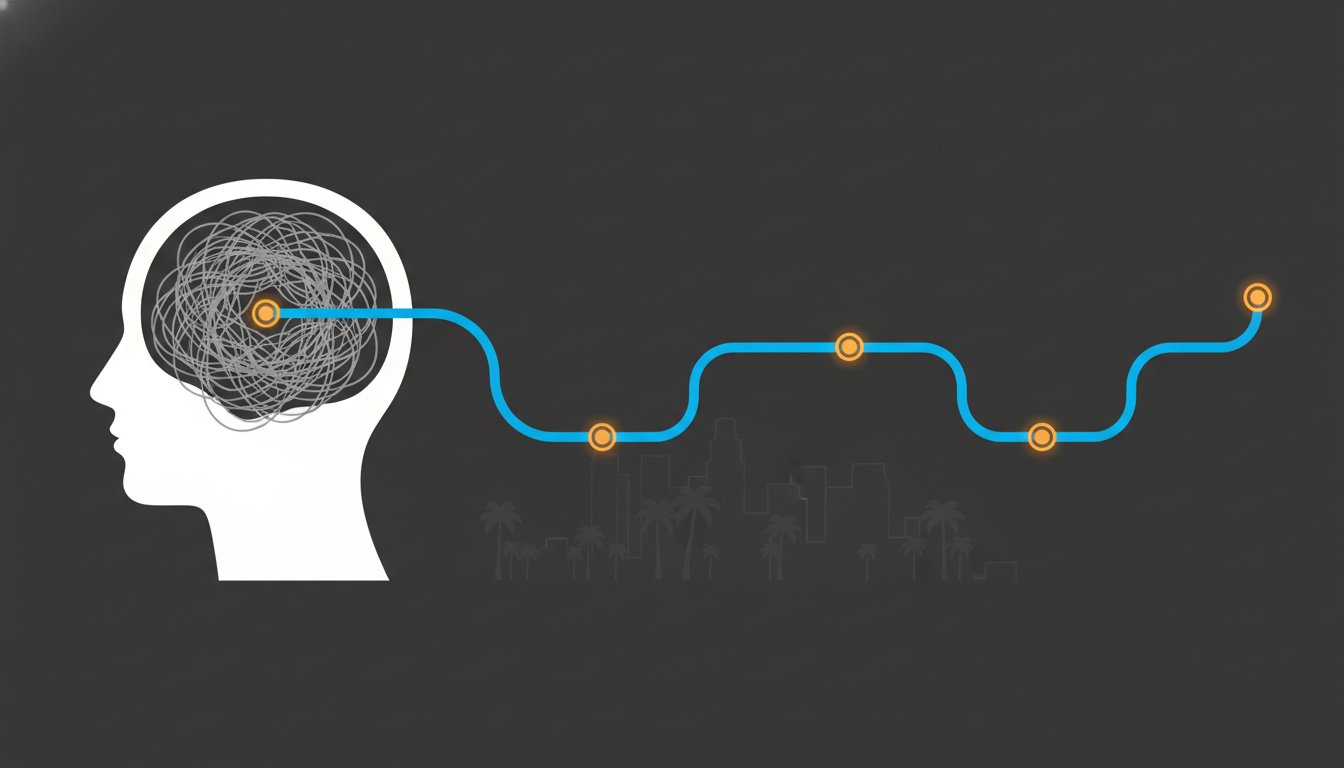
How to Get a Social Skills Evaluation in Los Angeles: A 2026 Clinical Guide
Find a social skills evaluation in Los Angeles with our 2026 guide. Learn to spot cognitive deficits vs. anxiety and get a clear path to recovery and connect...

Managing Psychosis in Bipolar Disorder: A Recovery-Oriented Guide (2026)
Learn about managing psychosis in bipolar disorder with our 2026 recovery guide. Move beyond symptoms to achieve professional success and community reintegra...

Antipsychotics: Clozapine a life saving drug
Discover how modern antipsychotics like Clozapine can restore life, not just sedate. Learn to manage side effects & find a path to vibrant, functional living.

What is Bipolar Disorder? A Guide for Los Angeles Families
Wondering what is bipolar disorder? This guide for Los Angeles families explains the signs, psychosis connection, and local recovery paths for young adults.

Medication Adherence in Psychosis: A Comprehensive Guide to Long-Term Recovery
Learn how medication adherence in psychosis drives long-term recovery. Discover LEAP, MCT, and family strategies that reduce rehospitalization by up to 44%.

LPS vs. Probate Conservatorship: Los Angeles Guide
Navigating Conservatorships: LPS vs Probate in Los Angeles? This guide clarifies legal options, grave disability, and SB 43 to help your loved one recover.

Understanding Bipolar Disorder: A Guide for LA Families
Learn what is bipolar disorder beyond mood swings. This guide for LA families covers diagnosis, treatment, and how to find lasting stability and relief.

5250 Holds: A Guide for Los Angeles Families
Facing a 5250 hold in Los Angeles? Our guide explains the legal process, patient rights, and how to find a path to lasting recovery beyond the hospital.

Understanding 5150 Holds in Los Angeles: A Guide
Learn about a 5150 hold in Los Angeles, the new SB 43 law, and how to advocate for a loved one. Our guide helps you navigate the crisis and find care.

Involuntary Holds in Los Angeles: A Guide for Families
Facing an involuntary hold in Los Angeles? Our guide helps families navigate the 5150/5250 process, protect rights, and find the path to long-term recovery.

Psychiatry and the Law: A Guide for Los Angeles Families
Our guide to psychiatry and the law: what families need to know helps LA families navigate HIPAA, 5150 holds & SB 43 to advocate for loved ones.

Treating Impaired Theory of Mind in Los Angeles
Learn about treating impaired theory of mind in Los Angeles. Our guide covers research-backed therapies like MCT & SCIT to help loved ones rebuild connections.

Crisis care vs outpatient psychosis care, which is best.
Discover the difference between crisis psychosis care Los Angeles and outpatient programs. Learn how specialized care leads to lasting recovery, not just sta...

Experiencing hallucinations: Is the ER necessary?
Experiencing a psychiatric emergency? Learn why the ER isn't enough and discover effective psychosis crisis care for lasting recovery, not just temporary fixes.

Hallucination and delusion: Crisis or not?
Does hearing voices or having delusions mean an emergency room visit? Learn when psychosis is a crisis and when specialized outpatient care is the better path.

Family Therapy for Psychosis in Los Angeles: A Clinical Guide to Recovery
Find effective family therapy for psychosis in Los Angeles. Our clinical guide shows how to reduce relapse to 10% and help loved ones return to work/school.

Early Signs of Psychosis in College Students: Los Angeles Recovery Resources 2026
Discover the early signs of psychosis in college students Los Angeles families can spot. This guide offers a plan for academic recovery & specialized care.
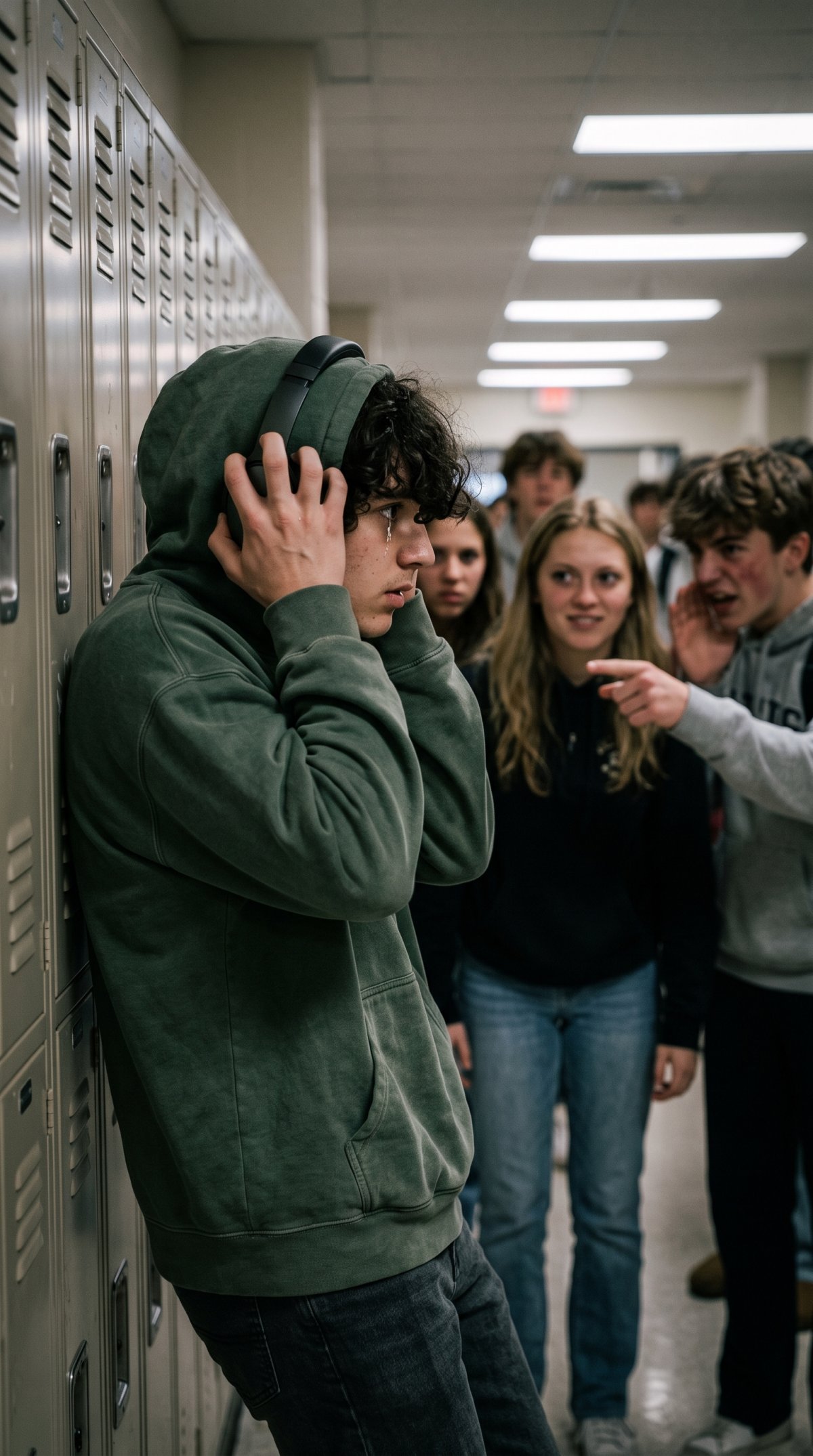
Teen Paranoia & Social Withdrawal Help: Los Angeles 2026
Find effective teen paranoia and social withdrawal help in Los Angeles. Our 2026 guide details data-driven outpatient care to restore your child's future.
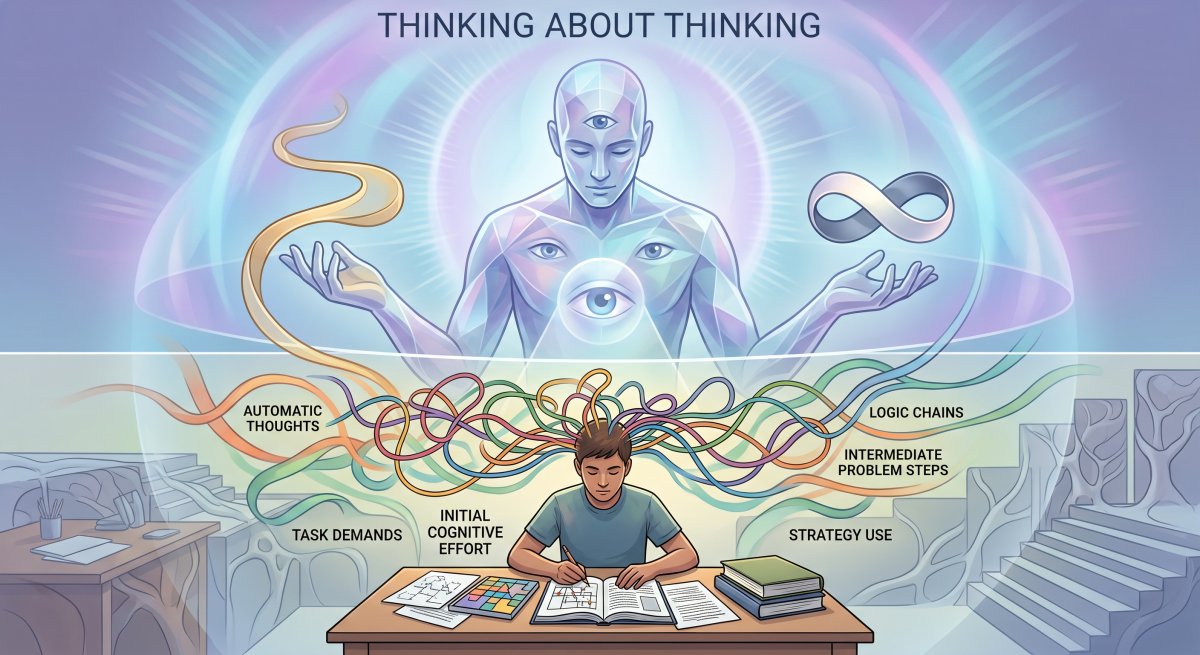
Metacognitive Training (MCT): A Comprehensive Guide to Recovery from Psychosis
Discover how metacognitive training helps you overcome paranoia by targeting thinking errors, not thoughts. A guide to psychosis recovery and social success.

Recovery from Psychosis Success Stories: Reclaiming Life with Evidence-Based Care
Read inspiring recovery from psychosis success stories and learn how specialized care leads to an 85% return to work or school. A full life is possible.

LA Work-Study Guide for Mental Health Recovery
Discover a work-study program for mental health recovery LA that balances clinical care & career goals. Learn how to re-enter the workforce without relapse.

Family Psychoeducation in LA: Psychosis Recovery Guide
Find expert family psychoeducation in Los Angeles. Our guide shows how a data-driven approach to psychosis recovery reduces rehospitalization and empowers fa...

Psychiatric Evaluation for Cannabis-Induced Psychosis in Los Angeles: A 2026 Clinical Guide
Learn about a professional evaluation for cannabis induced psychosis in Los Angeles. Our 2026 guide details the diagnostic steps to ensure proper mental heal...

Setting Boundaries with a Psychotic Family Member: A Family Guide to Recovery
Feeling stressed? Setting boundaries with a psychotic family member is crucial for recovery. Learn clinical communication to restore safety and support their...

Parental Support for Child Psychosis in Los Angeles
Find hope & a clear plan with our guide to support for parents of a child with psychosis LA. Discover local CSC programs & therapies with an 85% success rate.

Schizotypal Personality Disorder Evaluation in LA
Struggling with unusual thoughts & social isolation? Our expert evaluation for schizotypal personality disorder LA provides clarity and a path to recovery.

Thought Disorder Assessment in LA: Diagnosis & Recovery
Get a precise diagnosis with a thought disorder assessment LA. Our NAVIGATE framework helps 85% return to school/work with low rehospitalization rates.

Autism, Schizophrenia, and the Central Role of Social Cognition
How overlapping social cognition deficits shape care for co-occurring autism spectrum disorder and schizophrenia spectrum disorders, and what evidence-based interventions actually help.

Pand Health Featured in The Wall Street Journal
The Wall Street Journal profiled Pand Health's coordinated specialty care model and its impact on early psychosis outcomes for teens and young adults.

Typical Teen Behavior or Warning Sign? Recognizing an Overlooked Mental Health Epidemic
Early teen psychosis is often missed. Learn the subtle signs, cannabis risks, and why early expert care is vital for recovery.

Cannabis-Induced Psychosis: What Families Should Know
When "just experimenting" becomes something more — a research-based parent's guide.

Helping Loved Ones Who Refuse Treatment: A Family Guide
When someone you love refuses mental health care, it can feel heartbreaking and helpless. Learn practical strategies for families navigating psychosis, schizophrenia, autism, and OCD-related treatment resistance.

The Phases of Psychosis: What Families Need to Know About Prodrome, Acute, and Recovery
Understanding the three phases of psychosis, prodrome, acute, and recovery, can help families recognize warning signs early and seek the right care at the right time.

The Power of Play: A Narrative on Games & Supportive Environments for Cognitive & Social Enhancement
Structured play through games, from Dungeons & Dragons to Wavelength, within supportive clubhouse-style environments can meaningfully target social cognition, problem-solving, and interpersonal skills in adults navigating autism or psychosis recovery.

How a Parent Can Learn to Accept and Encourage a Socially Awkward Child
Practical, compassionate guidance for parents of socially awkward children, plus how to recognize when withdrawal or unusual thinking may signal something more serious, like prodromal schizophrenia.

What is Postpartum Psychosis: understanding the headlines
A clinical review of postpartum (puerperal) psychosis, a potentially lethal neuropsychiatric illness.

AI Psychosis: Risks, Warning Signs, and What to Do
Current evidence on chatbot-associated psychosis: typology, mechanisms, vulnerable populations, clinical management, and regulatory response.

5150 Hold California: Meaning, Rights & Next Steps
A California 5150 is a 72-hour psychiatric hold. Learn what it means, criteria, 5250 holds, records and background questions, and what LA families should do next.

Arguing With a Delusional Person: What Actually Works
Arguing rarely helps when someone is delusional. Learn LEAP-style listening, what to say, what to avoid, and when to get specialty psychosis care.

LEAP Method for Psychosis & Schizophrenia: How It Helps
The LEAP method (Listen, Empathize, Agree, Partner) helps families talk with a loved one who has psychosis or refuses treatment, without arguments.

“I Think I’m Losing My Mind”: What It Can Mean
Feeling like you're losing your mind can signal stress, anxiety, or early psychosis. Learn common meanings, warning signs, and when to seek help in Los Angeles.
What would you like to know more about?
Suggest a topic and our team will consider it for a future article.
Keep reading
All research & library pages →- Research & libraryFamily materialsHandouts and guides written for families.For families
- Research & libraryPsychosis booksBooks we recommend to families and clinicians.For everyone
- Research & libraryEASA Oregon materialsMaterials from the EASA early psychosis program.For everyone
- Research & libraryCSC vs. IOPHow coordinated specialty care differs from an intensive outpatient program.For everyone
- Research & libraryLibraryOur full collection of articles, guides, and downloadable material.For everyone