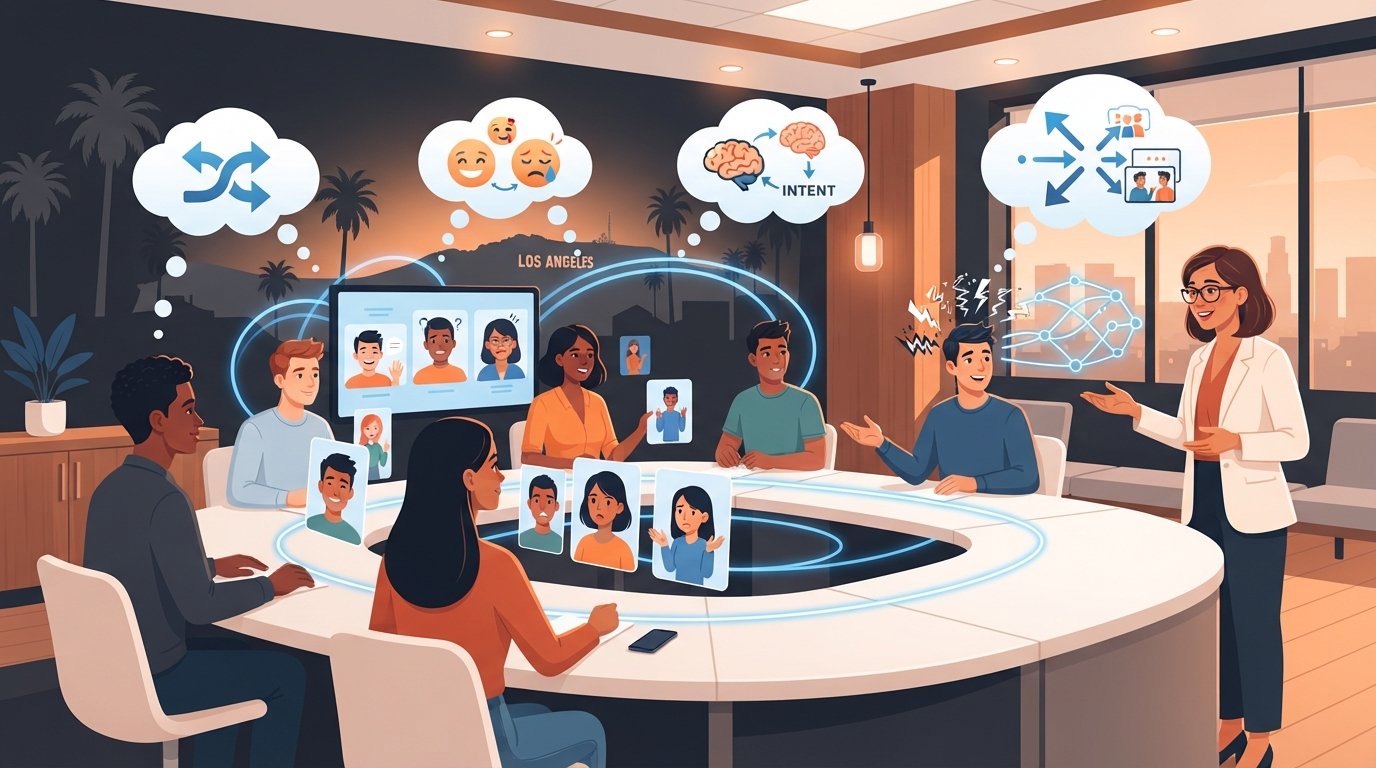
Social Cognition Deficits: Training & Help in Los Angeles
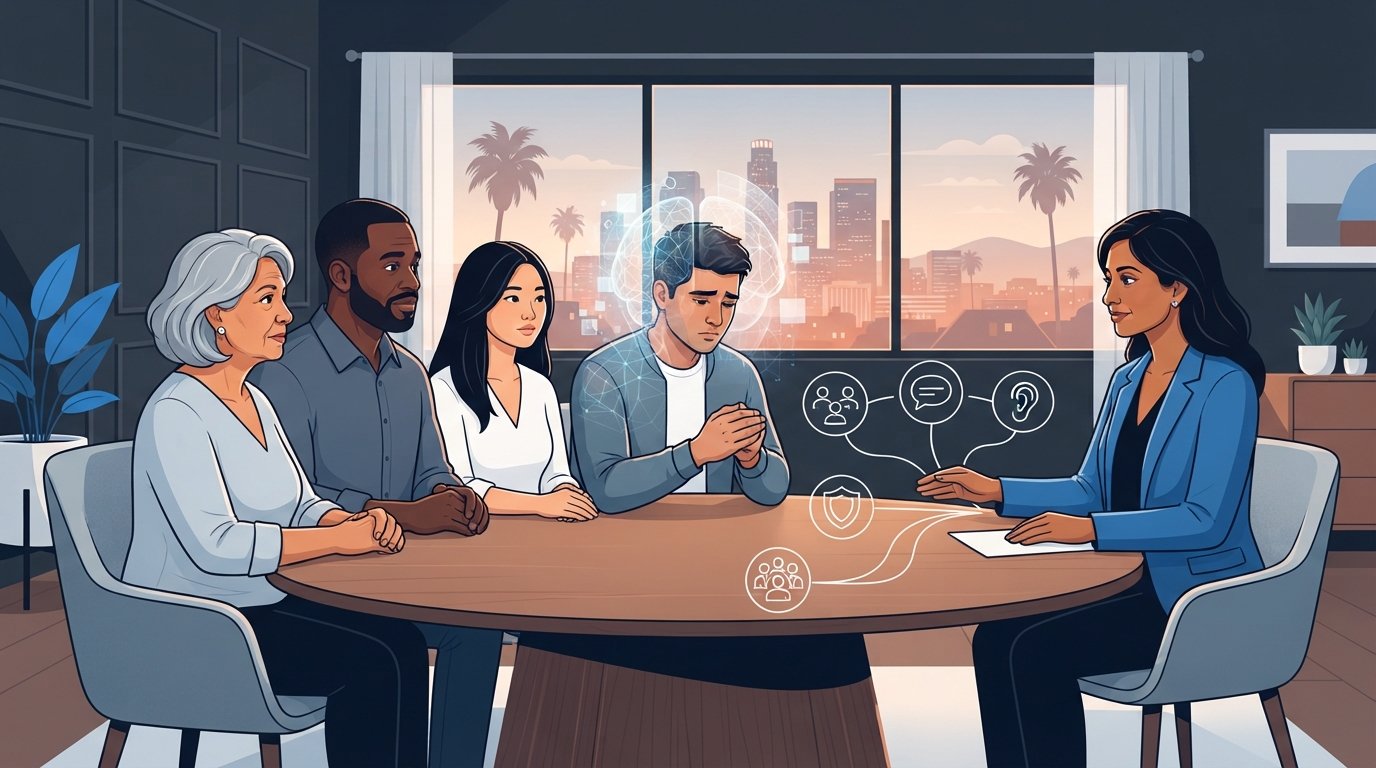
Imagine sitting in a room where every smile feels like a riddle you can't solve. For many, social cognition deficits aren't just a lack of "people skills"; they're a fundamental breakdown in how the brain translates the world's subtle signals. You might misread a neutral glance as a threat or find yourself retreating into isolation because the fear of getting it wrong feels paralyzing. This sense of alienation can be overwhelming, making the simplest conversation feel like a high-stakes test you weren't prepared for.
It's exhausting to feel misunderstood by the people you want to connect with most. We recognize that these "processing errors" are clinical challenges, not reflections of your character. In this article, you'll discover how social cognition deficits impact your daily life and learn about the evidence-based interventions that make social recovery a tangible reality. We'll explore the critical difference between social skills and social cognition, providing a clear path to the specialized treatment available in Los Angeles. With the right training, like the protocols that help 85% of our participants return to work or school, you can learn to engage with your community with confidence again.
Key Takeaways
- Gain a clear understanding of how social cognition deficits differ from standard social skills by focusing on the brain's ability to perceive and interpret interpersonal data.
- Explore the four pillars of social processing, including Theory of Mind, which allows you to accurately infer the intentions and beliefs of others.
- Learn to distinguish between social anxiety and cognitive deficits to ensure you're treating the root cause of processing errors rather than just the fear they create.
- Discover the clinical power of Metacognitive Training (MCT) and Social Cognition and Interaction Training (SCIT) in correcting thinking traps and restoring social confidence.
- Find out how specialized Coordinated Specialty Care in Los Angeles bridges the gap between clinical recovery and real-world community reintegration.
What Are Social Cognition Deficits?
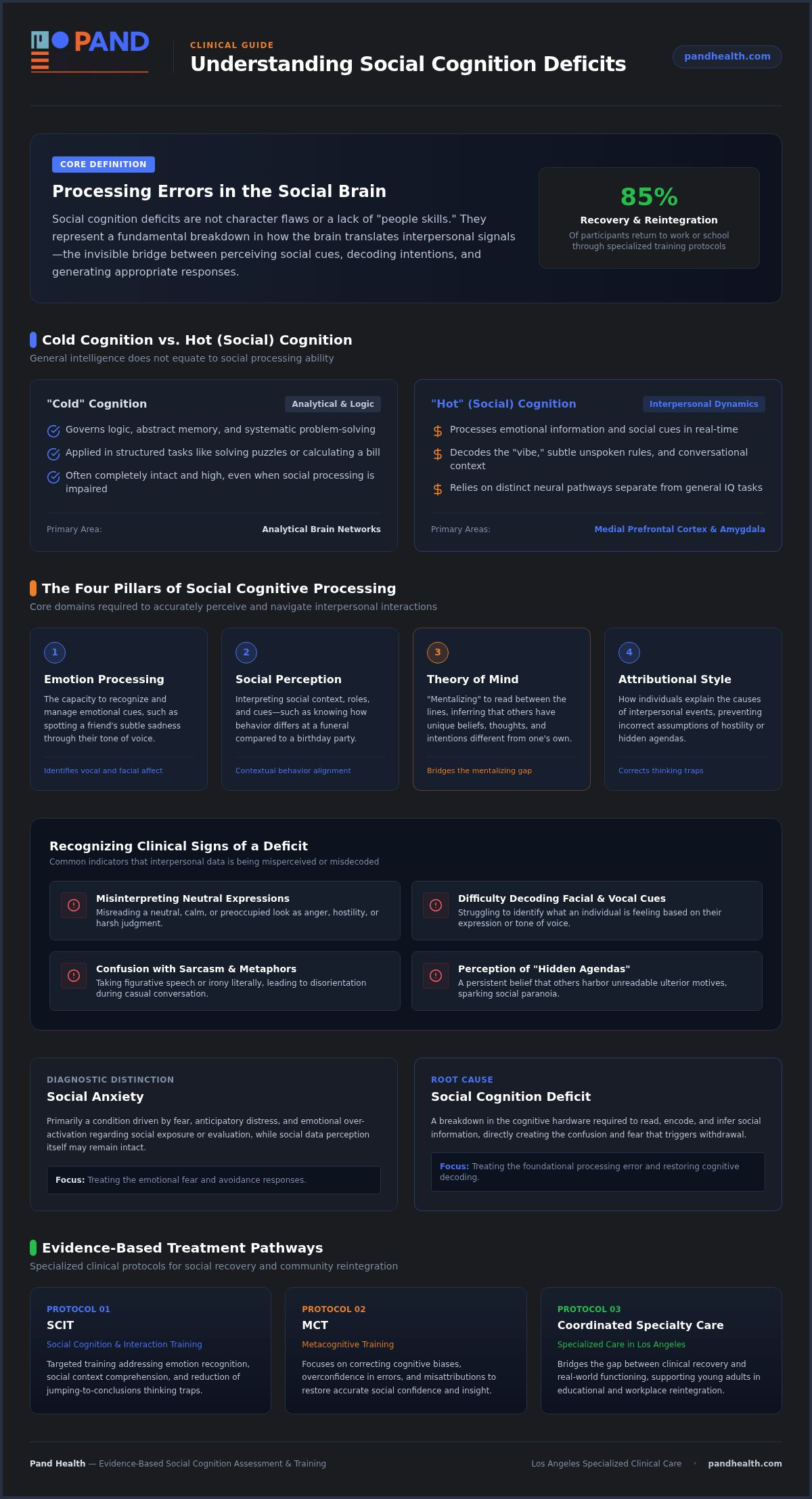
Social cognition represents the complex set of mental operations that allow us to navigate the world of human connection. While we often think of thinking as a single process, social cognition specifically involves how we perceive social cues, interpret the intentions behind them, and generate appropriate responses. It's the invisible bridge between seeing a person’s face and understanding their emotional state. When social cognition deficits occur, this bridge becomes fractured. These aren't personality flaws; they are "processing errors" in the social brain that make it difficult to decode intentions, even when general intelligence remains perfectly intact.
Clinicians often distinguish between "cold" and "social" cognition. Cold cognition involves logic, memory, and problem-solving, like finishing a puzzle or calculating a tip. Social cognition, however, is "hot" because it requires processing emotional data and interpersonal dynamics in real-time. For many young adults, these deficits serve as the first subtle indicators of developing thought disorders or autism spectrum conditions. Identifying these challenges early is the first step toward reclaiming a sense of belonging and preventing further social withdrawal.
The Social Brain vs. General Intelligence
It's a common misconception that social ability is tied directly to IQ. You can be a brilliant student or a skilled professional and still find it nearly impossible to "read a room." This happens because social processing relies on specific brain networks, such as the medial prefrontal cortex and the amygdala, which are distinct from the areas used for analytical tasks. When these regions don't communicate effectively, a profound social disconnect occurs. You might understand the words someone is saying but miss the "vibe" or the unspoken rules of the situation. This creates a painful gap between your potential and your daily social experience.
Common Signs You Might Be Experiencing a Deficit
Recognizing the signs of social cognition deficits is often a profound relief for families who've felt something was "off" but couldn't name it. These challenges often manifest as a feeling of being "out of sync" with others. Common experiences include:
- Difficulty identifying what a person is feeling based on their facial expression or tone of voice.
- Struggling to understand sarcasm or metaphors, which leads to confusion in casual conversation.
- A persistent feeling that others have "hidden agendas" or secret meanings that you simply cannot decipher.
- Misinterpreting a neutral or preoccupied look as a sign of anger, judgment, or hostility.
If these signs feel familiar, seeking a professional evaluation is a vital next step toward recovery. You can contact us to learn more about our specialized assessment process in Los Angeles and discover how we can help you bridge the social gap.
The Four Pillars of Social Cognitive Processing
To address social cognition deficits effectively, we must look at the specific mechanisms that drive our social interactions. Researchers have identified the four core domains of social cognition that serve as the foundation for every conversation and connection we make. These pillars include emotion processing, social perception, Theory of Mind, and attributional style. When one or more of these areas falter, the world begins to feel unpredictable and threatening. Understanding these pillars helps us move beyond general frustration and toward targeted clinical solutions.
Emotion processing is our ability to recognize and manage emotional information, such as spotting a friend's subtle sadness through their vocal tone. Social perception goes a step further, helping us identify social cues, roles, and the specific context of a situation. It's the skill that tells you how to behave differently at a funeral than you would at a birthday party. When these systems work together, social life feels fluid; when they don't, even simple errands can feel like navigating a maze without a map.
Theory of Mind and the 'Mentalizing' Gap
Theory of Mind (ToM) is the ability to 'read between the lines' of human behavior. It's the understanding that other people have their own unique thoughts, beliefs, and intentions that might be different from yours. When a breakdown in ToM occurs, it creates what clinicians call a "mentalizing gap." You might struggle to understand why a coworker is acting distant, leading to a sense of social paranoia where you assume they're plotting against you. This gap makes forming and maintaining close friendships incredibly difficult because you're constantly second-guessing the "true" meaning behind every word or gesture.
Attributional Style: Jumping to Conclusions
Attributional style refers to how we explain the causes of events or others' behaviors. A common challenge in those with social cognition deficits is the "jumping to conclusions" bias. This happens when an individual makes a firm, often negative, judgment based on very little evidence. This often leads to monocausal thinking, where you ignore complex situational factors in favor of a single, often personal, explanation. If a friend doesn't text back immediately, you might decide they're intentionally ignoring you, which creates unnecessary social conflict. At Pand Health, we use Metacognitive Training (MCT) to help clients slow down their thinking and correct these biases. If you find yourself stuck in these suspicious patterns, you can reach out to our team for a specialized evaluation to see if MCT is right for you.
Social Cognition vs. Social Anxiety: Finding the Root Cause
Distinguishing between social anxiety and social cognition deficits is a vital step in clinical recovery. While they often look similar from the outside, their internal mechanics are entirely different. Social anxiety is primarily a fear of judgment; the individual’s "social software" is intact, but it’s being overridden by a hyper-active threat response. In contrast, a deficit is a failure in the brain's "data collection" system. If your brain cannot accurately register a smile or decode a shift in vocal tone, you aren't just anxious. You're navigating a world where the rules are constantly changing. Misinterpreting a neutral face as "angry" or "judgmental" creates a secondary layer of anxiety that feels impossible to escape.
Traditional exposure therapy, which is the gold standard for anxiety, often fails when social cognition deficits are the root cause. Forcing someone into social situations without retraining their "processing software" can actually be counterproductive. They aren't learning that social situations are safe; they're confirming that interactions are confusing and painful. This is why a specialized thought disorder assessment LA is essential. It allows clinicians to look beneath the surface of the anxiety to see if the brain is correctly mentalizing the intentions of others.
When Social 'Awkwardness' is Actually a Clinical Deficit
In teenagers between the ages of 13 and 18, these deficits often present as a sudden onset of "awkwardness" or a mysterious withdrawal from friend groups. Families might notice the teen struggling to understand sarcasm or becoming overly literal. It's also critical to consider environmental factors; for example, heavy cannabis use has been shown to significantly impair social cognitive processing in developing brains. At Pand Health, we provide the nuanced evaluation required to distinguish between autism spectrum conditions and the early signs of psychosis. Getting this distinction right ensures that the intervention targets the specific neurocognitive needs of the young adult.
The Downward Spiral of Social Withdrawal
When these processing errors go unaddressed, they often lead to a painful cycle of self-stigma and isolation. You might start to believe you're simply "not good with people," leading to a retreat that makes future interactions even more daunting. This withdrawal isn't just a social issue; it's a clinical risk. Untreated social deficits are a primary driver of rehospitalization because they strip away the community support that keeps individuals stable. Recovery requires more than just "getting out more." It requires evidence-based social cognition training to retrain the brain's ability to decode social data. By addressing these core deficits through our California OnTrack program, we've helped reduce rehospitalization rates to just 6%, compared to the industry average of 10%.
Evidence-Based Treatments: SCIT and MCT
While identifying the problem is a relief, the true turning point comes through structured, evidence-based intervention. Treating social cognition deficits requires more than just conversation; it requires retraining the neural pathways responsible for interpersonal data processing. At Pand Health, we utilize a combination of Social Cognition and Interaction Training (SCIT) and Metacognitive Training (MCT) to restore social clarity. These aren't just "talk therapies." They are rigorous, phase-based protocols designed to repair the social brain. When paired with computer-assisted cognitive remediation, these treatments contribute to our 85% success rate in helping clients return to work or school within six months.
How SCIT Repairs the Social Engine
Social Cognition and Interaction Training (SCIT) is a 20-week, group-based protocol that systematically rebuilds social competence. It moves the individual from "automatic" social thinking, which is often reactive and error-prone, to "deliberate" social thinking. During the training, participants practice facial affect recognition and social perception in a safe, controlled environment. This helps bridge the gap between knowing a social rule and applying it in real-time. For a deeper look at how this fits into a broader recovery plan, explore our Social Skills Training in Los Angeles guide.
MCT: Challenging Cognitive Biases
Metacognitive Training (MCT) focuses on "thinking about thinking" to reduce suspiciousness and social paranoia. Unlike traditional therapy that might focus on the content of a specific delusion, MCT targets the "how" of thinking rather than just the "what." It helps clients identify cognitive "traps," such as jumping to conclusions or overconfidence in errors, which often fuel social withdrawal. This shift in perspective allows individuals to evaluate their own thoughts with a sense of clinical distance and objectivity.
At Pand Health, our clinicians are certified MCT instructors. This level of expertise is crucial because fidelity to the protocol ensures that the intervention remains effective. By learning to recognize these biases in a group setting, clients gain the tools to challenge their own assumptions before they lead to social conflict. If you're ready to start this transformative process, you can schedule a consultation with our Los Angeles team to discuss our California OnTrack program and specialized cognitive remediation services.
Social Recovery in Los Angeles: The Pand Health Approach
Pand Health serves as a specialized beacon for families navigating the complexities of social cognition deficits. Based at our Olympic Blvd site, we operate under a single, unwavering philosophy: recovery is the expectation, not the exception. We recognize that social recovery isn't a passive process. It requires an environment that blends clinical rigor with a human-centric community. Our approach integrates intensive therapeutic protocols with practical life goals, ensuring that every client has a clear roadmap back to their community, their education, and their career.
Coordinated Specialty Care (CSC) for Teens and Adults
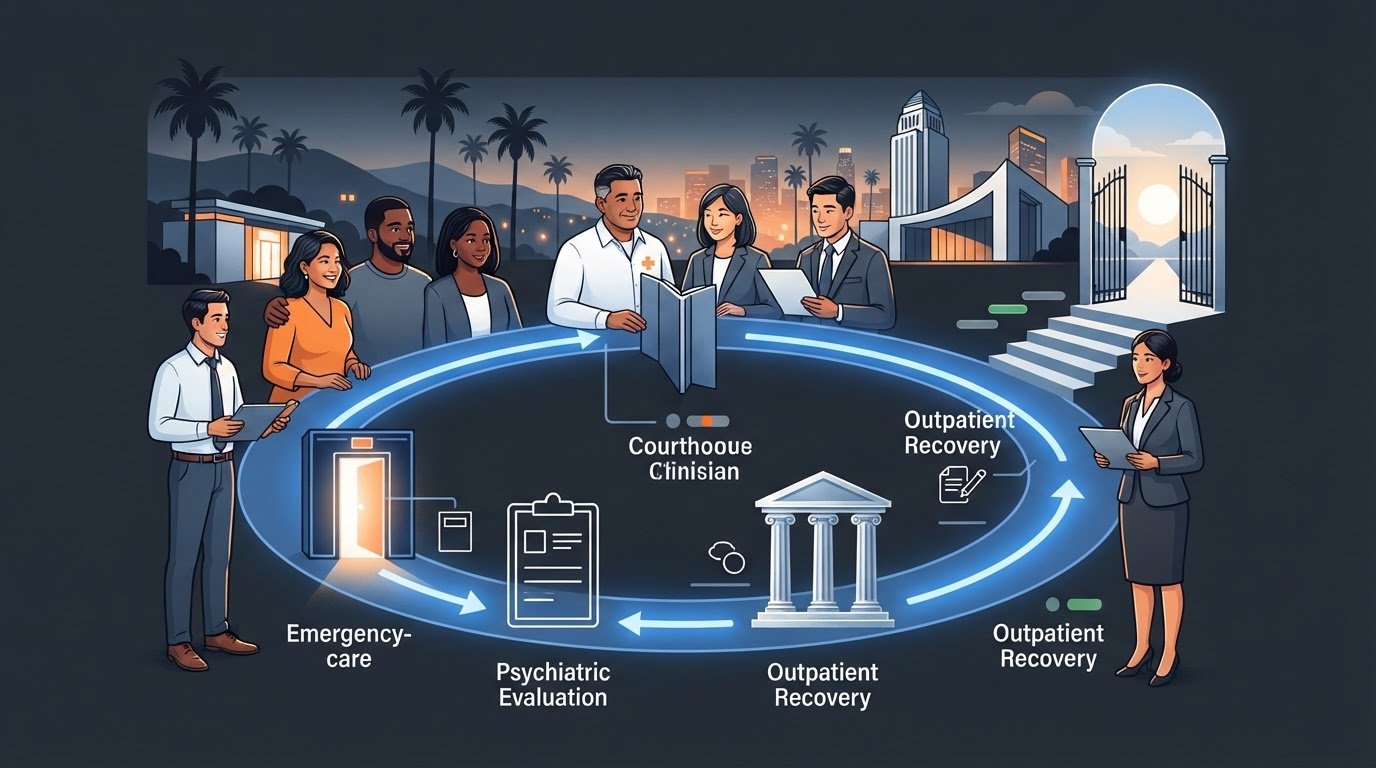
We provide the only outpatient Coordinated Specialty Care (CSC) program in Southern California that delivers the full spectrum of APA-recommended interventions for social cognition deficits. Our California OnTrack program is designed for individuals aged 13 to 40 who are experiencing first-episode psychosis or are at high clinical risk. This model provides 24 to 32 hours of intensive outpatient treatment per client, offering a level of support that far exceeds traditional therapy. Central to our reintegration strategy is the "Clubhouse Model," where clients practice social navigation in a supportive, real-world setting. To ensure no one is left waiting in a crisis, we offer same-day or next-day psychosis evaluation services right here in Los Angeles.
A vital part of this journey is the transition back to productivity. We don't just treat symptoms; we build futures. By integrating our specialized social training with the LA Work-Study Guide, we provide a holistic framework for vocational success. This data-driven focus works. Our participants show an 85% engagement rate in employment or education after just six months of enrollment. Furthermore, our model has successfully reduced rehospitalization rates to just 6%, significantly lower than the industry average of 10%.
Starting Your Journey to Reconnection
The path to social recovery begins with a comprehensive psychiatric evaluation. This initial step allows our team to identify the specific processing errors at play and craft a personalized treatment plan. We also believe that the family is a crucial part of the "steady hand" required during this storm. Our Family Psychoeducation in LA program empowers parents and siblings with the tools they need to support their loved one's social goals effectively.
You don't have to navigate this isolation alone. Whether you're a young adult feeling the first signs of social disconnect or a parent seeking specialized care, we're here to help. Contact us today at pandhealth.com/contact to learn more about our programs or to schedule an evaluation at our Los Angeles facility. Let's work together to make social recovery your reality.
Reclaiming Your Place in the Social World
Living with social cognition deficits can feel like being locked out of the conversations that define human life. However, these challenges are not permanent barriers. By shifting the focus from simply "trying harder" to retraining the brain's social processing through Metacognitive Training and SCIT, real change becomes a tangible reality. We see this transformation every day at Pand Health, where specialized intervention turns isolation into active community participation.
As the only outpatient Coordinated Specialty Care program in Southern California offering these specific APA-recommended protocols, we provide a premium standard of care. Our team features certified MCT instructors who guide young adults through the complexities of social recovery with precision and empathy. The data reflects this commitment; 85% of our participants are successfully engaged in work or school within six months. You don't have to navigate this storm without a guide. Take the first step toward social recovery; contact Pand Health today to begin your evaluation. There is a path back to connection, and it starts with the right support.
Frequently Asked Questions
Can social cognition deficits be cured?
While the term "cure" is rarely used in clinical settings, social cognition deficits can be significantly improved through targeted training. Recovery is the expectation at our Los Angeles facility. By using evidence-based protocols like Metacognitive Training, we help individuals retrain their brains to process social data accurately. Our data shows that 85% of participants return to work or school within six months of starting treatment, proving that functional social recovery is a realistic goal.
What is the difference between social skills and social cognition?
Social cognition refers to the internal mental operations used to perceive and interpret social signals, such as "reading" a person's intentions. Social skills are the external behaviors, like maintaining eye contact or taking turns in a conversation. You can think of social cognition as the brain's "software" and social skills as the "output." Training at Pand Health focuses on repairing the underlying software so that social interactions feel natural rather than scripted.
How do I know if my child has a social cognition deficit or just social anxiety?
Social anxiety is typically a fear of being judged despite having the ability to understand social cues. A deficit involves a breakdown in the actual processing of those cues, such as misinterpreting a neutral expression as hostile. If your child seems to "miss the point" of social interactions rather than just fearing them, a specialized evaluation is necessary. We offer same-day or next-day evaluations in Los Angeles to help families find the correct root cause.
Does autism cause social cognition deficits?
Yes, social cognition deficits are often a core component of autism spectrum conditions, particularly regarding Theory of Mind and social perception. However, these same deficits also appear in early psychosis and schizophrenia. Because the symptoms overlap, it’s vital to get a comprehensive evaluation. At Pand Health, we specialize in distinguishing between these conditions to ensure that teenagers and young adults receive the specific type of social rehabilitation they need to thrive.
Is social cognition training effective for schizophrenia?
Absolutely. Structured training is considered the gold standard for improving functional outcomes in schizophrenia. Protocols like Social Cognition and Interaction Training (SCIT) help individuals move from reactive, suspicious thinking to more deliberate, accurate social perceptions. By addressing these cognitive "processing errors," we've helped our clients reduce rehospitalization rates to just 6%. This is significantly lower than the 10% industry average, demonstrating the power of specialized clinical training in Los Angeles.
How long does it take to see results from Social Cognition and Interaction Training (SCIT)?
SCIT is a structured 20-week group protocol. While every individual’s journey is unique, many participants begin to notice improvements in their ability to decode facial expressions and social roles mid-way through the program. The most significant functional gains, such as returning to a job or university, are typically documented after six months of consistent engagement. Our augmented model ensures that these gains are supported by daily cognitive remediation and physical fitness coaching.
What are the first signs of social cognitive decline in young adults?
Early signs often include a sudden withdrawal from friend groups or a feeling of being "out of sync" with others. You might notice a young adult struggling to understand sarcasm, becoming overly literal, or expressing suspiciousness about people's intentions. These shifts are often the first indicators of a thought disorder. Early intervention at our Olympic Blvd site can prevent these subtle "processing errors" from spiraling into total social isolation or a clinical crisis.
Can cannabis use worsen social cognition deficits?
Yes, heavy cannabis use can significantly impair the social brain, especially in teenagers and young adults whose brains are still developing. It can exacerbate suspiciousness and make it harder to accurately mentalize the thoughts of others. Pand Health offers specialized cannabis-induced psychosis rehabilitation in Los Angeles to address these specific challenges. We combine detoxification support with social cognitive retraining to help individuals clear the "mental fog" and reconnect with their community.
Disclaimer
This article is for information and educational purposes only, and can NEVER replace a proper medical evaluation. If you or a loved one may be suffering from psychosis or the prodomal symptoms of psychosis, get evaluated by a professional as soon as possible. Early diagnosis and treatment can be life-saving.