Social Skills Training in Los Angeles: A Clinical Guide to Recovery and Reconnection
Imagine standing in a familiar Los Angeles neighborhood, yet feeling like a stranger to the rhythm of everyday life. For many individuals recovering from a psychotic episode or navigating the complexities of a thought disorder, the simple act of ordering a coffee or answering a colleague's question can feel like climbing a mountain without a map. This is where clinical social skills training becomes more than just a set of lessons; it's a vital lifeline for reclaiming your place in the community.
It's understandable to feel overwhelmed by the social isolation that often follows a mental health crisis, especially when the stigma surrounding cannabis induced psychosis or persistent thought disorders makes reconnection feel out of reach. You want to regain your independence, but the path back to school or work feels clouded by anxiety. In this guide, you'll discover how specialized social skills training facilitates community reintegration and provides the necessary tools for long-term recovery. We'll explore the clinical frameworks that restore communication with family and peers, ultimately preparing you for the California OnTrack Work-Study Program and a successful, sustainable return to the life you've worked so hard to rebuild.
Key Takeaways
- Understand how social skills training serves as a clinical bridge, targeting social cognition to help individuals navigate complex community interactions with confidence.
- Learn the specific roles of modeling and role-playing in a safe environment, which are crucial for mastering the nuances of reconnection after a mental health crisis.
- Contrast the practical, action-oriented approach of behavioral training with traditional talk therapy to determine which intervention best supports a return to daily life.
- Discover the essential criteria for evaluating Los Angeles programs, including the effectiveness of the California OnTrack model for early intervention.
- Explore how specialized work-study integration facilitates a seamless transition back into professional or academic environments for long-term recovery.
What is Social Skills Training (SST) in Clinical Mental Health?
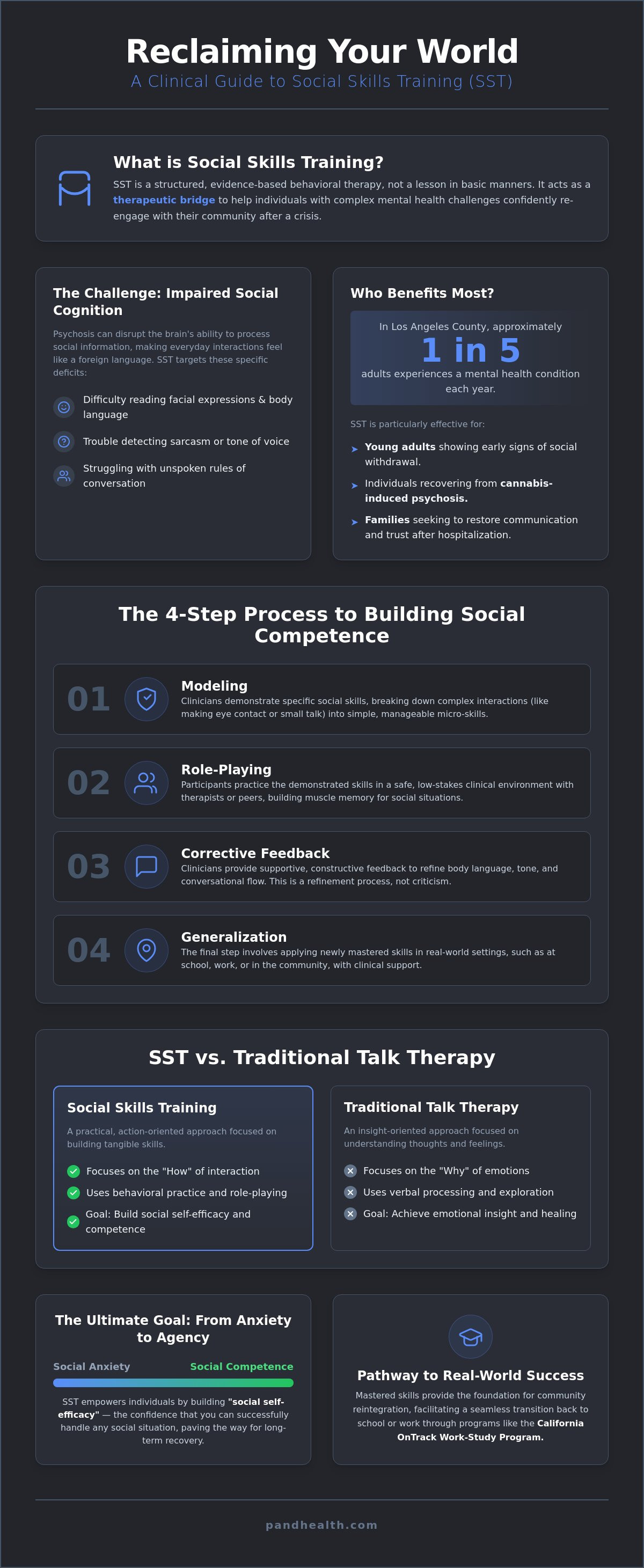
Social Skills Training (SST) is a structured, evidence-based behavioral intervention that serves as a cornerstone of psychiatric rehabilitation. While many people ask, "What are Social Skills?" in a general sense, the clinical application is far more rigorous than simple etiquette. It isn't a lesson in basic manners or dining decorum. Instead, it's a therapeutic bridge designed to help individuals with complex mental health challenges regain their ability to interact with the world around them. By focusing on specific behavioral targets, social skills training helps reduce social disability and significantly improves the overall quality of life for those recovering from severe episodes.
The Science of Social Cognition
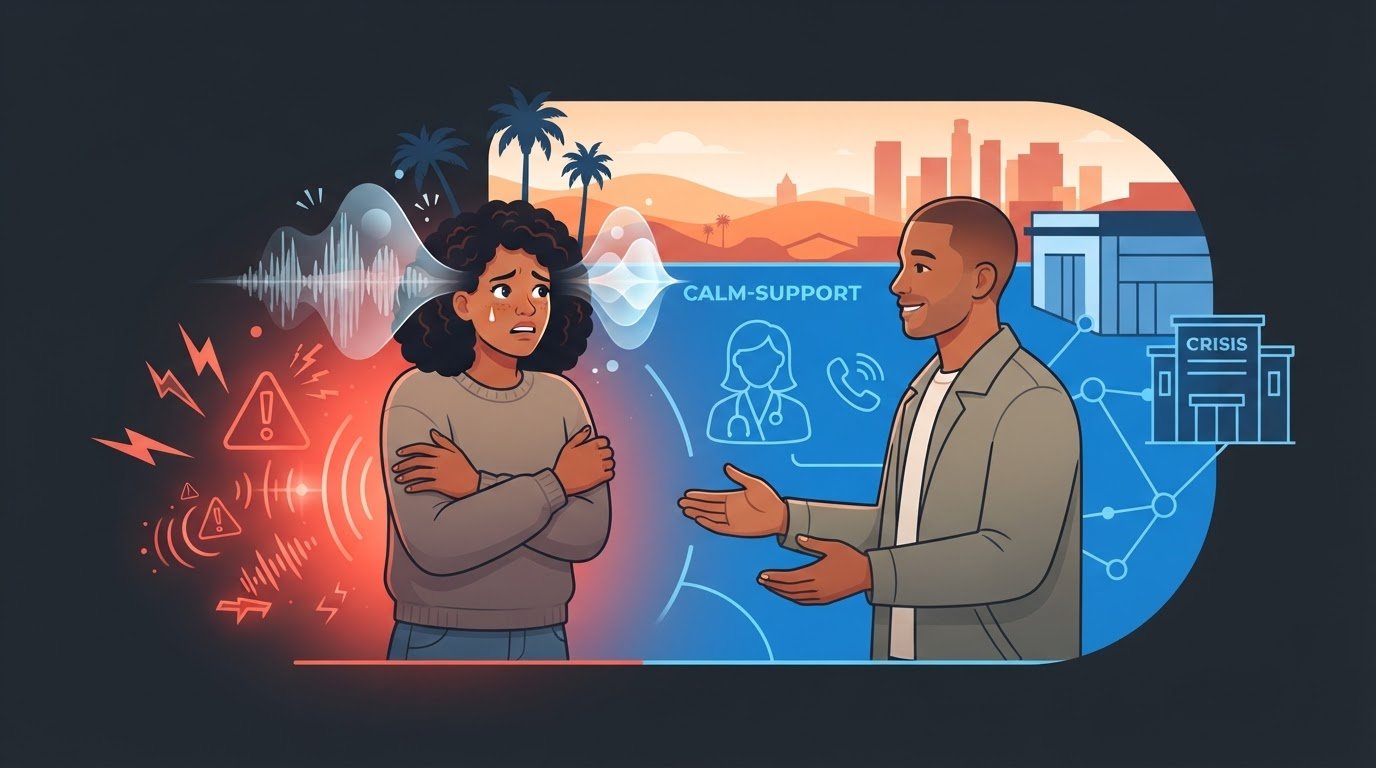
Psychosis often disrupts the brain's ability to process social information, a phenomenon known as impaired social cognition. Social cognition is the mental processes involved in perceiving and interpreting others. When a person experiences a thought disorder, they might struggle to read facial expressions, detect sarcasm, or understand the unspoken rules of a conversation. This is frequently compounded by "negative symptoms," such as social withdrawal or a flattened emotional affect. These aren't choices or personality traits; they're clinical symptoms that make the social world feel like a foreign language. SST provides the necessary tools to translate this language, breaking down complex interactions into manageable, repeatable steps that build confidence and clarity.
Who Benefits Most from SST?
With approximately 1 in 5 adults in Los Angeles County experiencing a mental health condition each year, the need for targeted rehabilitation is profound. While social skills training is versatile, it's particularly effective for specific groups navigating the aftermath of a mental health crisis. This includes young adults in the prodromal phase of schizophrenia who are noticing the first signs of social slippage, as well as individuals recovering from cannabis induced psychosis rehab who need to stabilize their cognitive processing. It's also a vital resource for families seeking to restore communication and emotional safety after a loved one's hospitalization. The intervention meets the individual where they are, providing a steady hand as they move from clinical stability toward real-world success in school, work, and community life.
The Core Components of an Effective SST Program
A clinical social skills training program operates as a behavioral laboratory. It moves beyond theory, focusing on the mechanical and cognitive steps required to navigate human interaction. For individuals recovering from a psychotic episode, the abstract nature of social life can feel chaotic. Effective programs provide a stable, predictable structure to rebuild these connections through a four-step pedagogical model: modeling, role-playing, feedback, and generalization.
This methodology ensures that every skill is mastered in a safe environment before it is tested in the real world. By utilizing positive reinforcement, clinicians help participants build "social self-efficacy," the belief that they can successfully handle a social situation. This sense of mastery is often the first step toward reclaiming a sense of agency in their lives. It's a transformative process that turns social anxiety into social competence.
Modeling and Role-Playing
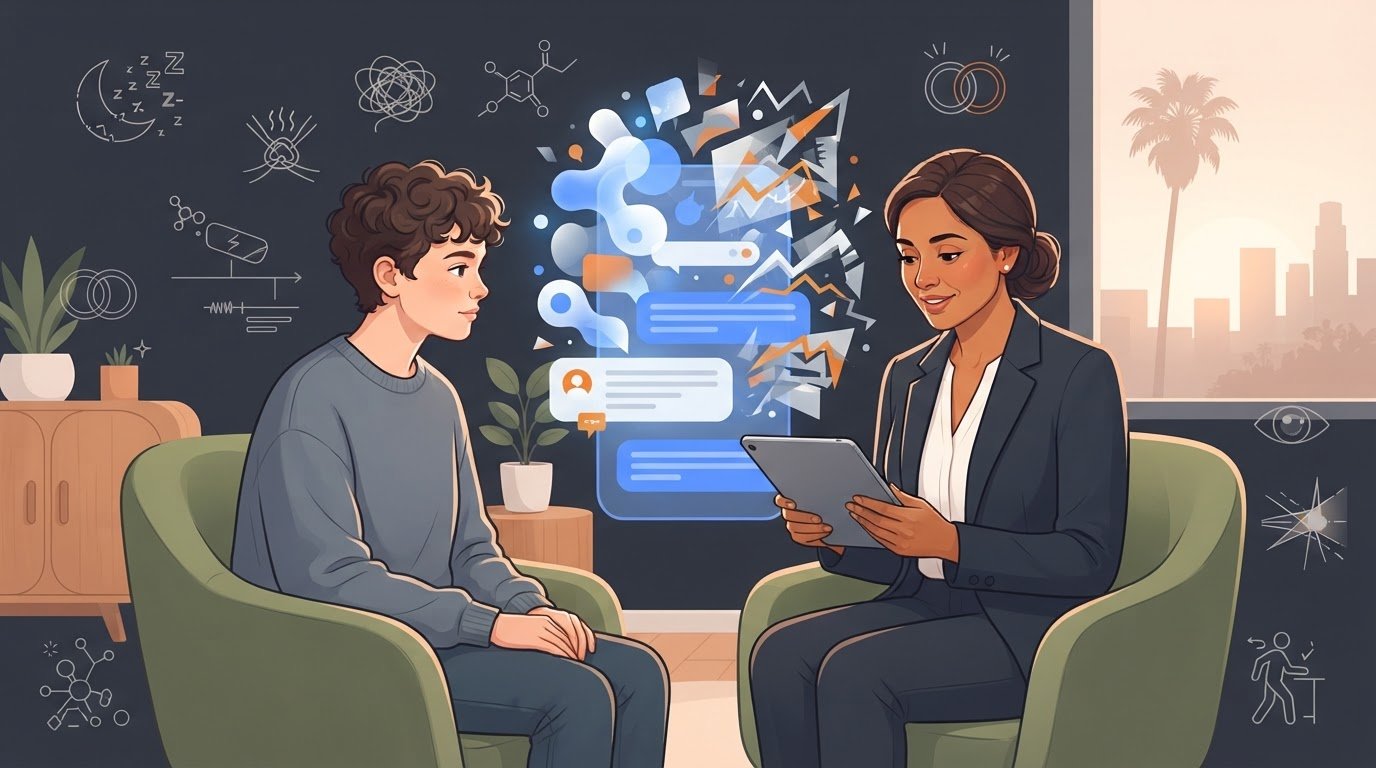
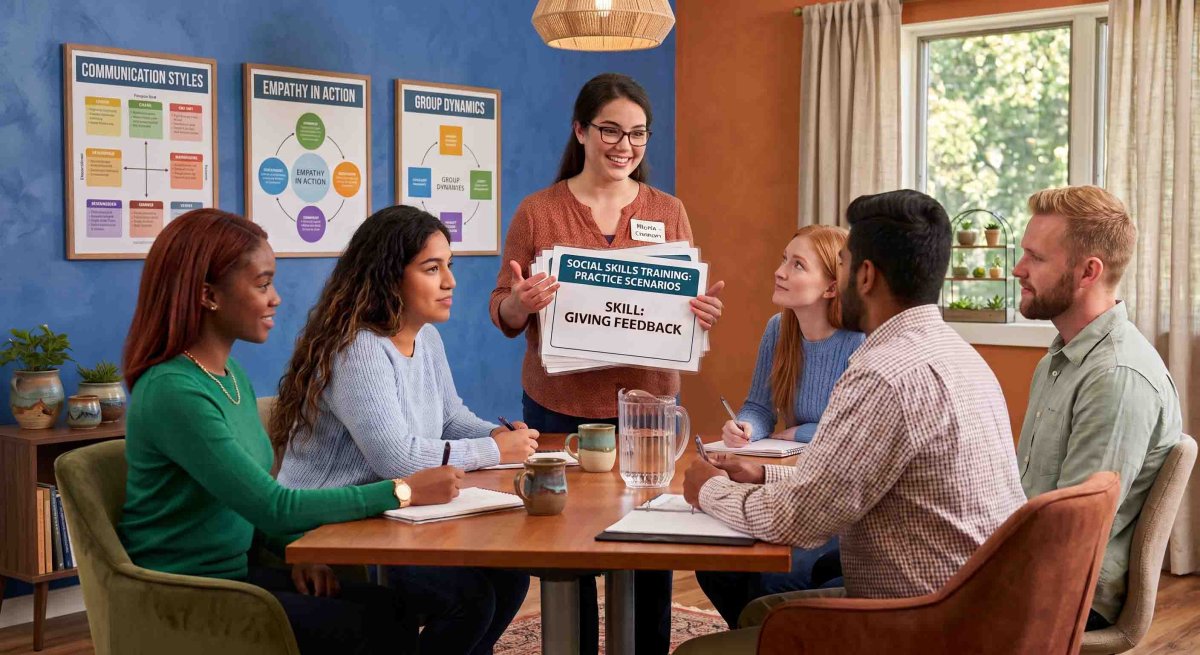
Modeling is the foundation of the learning process. During this phase, a clinician or peer support specialist demonstrates a specific social interaction, such as making eye contact while asking a question or maintaining a conversation without tangential thoughts. These complex behaviors are broken into micro-skills, making them less intimidating for the participant. Once the skill is demonstrated, the participant engages in role-playing within the clinical setting.
Role-playing allows for immediate, low-stakes practice. Clinicians often use video feedback or peer observation to help participants build self-awareness regarding their body language and tone of voice. This corrective feedback loop is never critical; instead, it's a supportive refinement process aimed at polishing the interaction until it feels natural. If you are seeking this level of specialized care, Pand Health offers a rigorous approach to social skills training that prioritizes individual progress and clinical precision.
Generalization: Moving Beyond the Clinic
The ultimate goal of any program is generalization, the ability to apply learned skills across different settings and people. In a city as dynamic as Los Angeles, this means moving beyond the therapy room and into the community. Participants are given homework assignments to practice their skills in various LA environments, from navigating the Metro system to ordering a meal at a local cafe in Encino or Hollywood.
Peer support specialists play a vital role in this transition. They often accompany participants into the community, providing a "safety net" during these real-world interactions. Progress is meticulously tracked using social functioning scales, ensuring that the training translates into measurable improvements in daily life. This bridge between clinical stability and real-world success is what allows individuals to move from isolation to active participation in their neighborhoods.
SST vs. Traditional Talk Therapy: Understanding the Difference
Traditional talk therapy often focuses on the "why." It's an insight-oriented process where individuals explore their past, examine emotional roots, and seek to understand the subconscious drivers of their behavior. While this is invaluable for many, individuals navigating the aftermath of a psychotic episode or a complex thought disorder often find the abstract nature of talk therapy difficult to grasp. When the mind is struggling to organize thoughts, a long-form narrative about one's childhood can feel overwhelming rather than helpful. This is where social skills training provides a necessary, action-oriented alternative.
Instead of searching for the emotional "why," social skills training focuses on the behavioral "how." It's a concrete, structured intervention that treats social interaction as a series of learnable skills rather than an innate personality trait. There's a common misconception that social abilities should be learned "naturally" or through simple exposure. However, for those with disrupted cognitive pathways, the biological "hardware" for that natural learning has been temporarily compromised. Specialized intervention isn't just about learning manners; it's about recalibrating the brain's ability to process and respond to the world. This practical approach works in tandem with psychiatric evaluations and medication management, providing the behavioral tools that pills alone cannot offer.
Behavioral Change vs. Emotional Processing
The synergy between SST and Cognitive Behavioral Therapy (CBT) is profound. While CBT helps a person challenge distorted thoughts, SST gives them the physical and verbal tools to act on those new perspectives. For example, a person might learn in CBT that "people aren't judging me," but they still need the specific training to initiate a conversation at a job site. This makes the training superior for vocational readiness. It bridges the gap between feeling better and actually functioning better in a professional or academic environment.
Addressing Cannabis-Induced Cognitive Gaps
Recovery from cannabis induced psychosis rehab presents unique challenges, particularly regarding attention and memory. Heavy cannabis use followed by a psychotic break can leave "cognitive gaps" that make social flow feel sluggish or disjointed. Participants often struggle with a diminished "social filter," leading to inappropriate timing or tangential speech. SST helps rebuild this filter through repetitive, high-frequency behavioral practice. By focusing on social cues and conversational pacing, individuals can restore the mental sharpness required for meaningful connection. This targeted rehabilitation ensures that the recovery is holistic, addressing both the clinical symptoms and the practical reality of living a connected life in Los Angeles.
Evaluating Social Skills Training Programs in Los Angeles
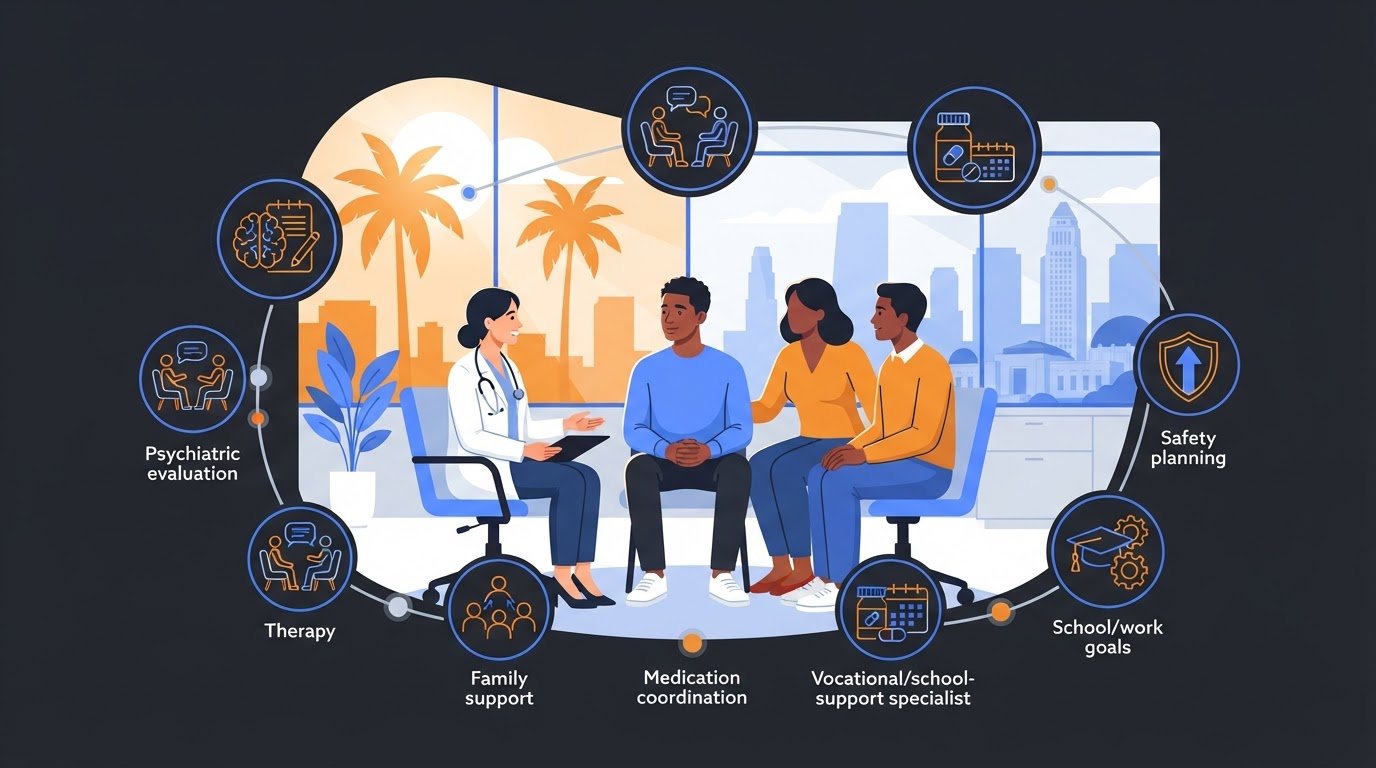
Selecting the right clinical environment in a city as expansive as Los Angeles requires a discerning eye. High-standard care is more than a simple checklist. Because recovery from a psychotic episode is a complex journey, the most effective social skills training programs aren't standalone classes. Instead, they're part of a multidisciplinary team approach. You should look for a provider that integrates behavioral training with psychiatric care, peer support, and vocational guidance. This ensures that the progress made in a therapy room translates into actual stability at home and in the community.
A high-standard program must also prioritize family psychoeducation. When a loved one returns from a hospitalization, the family often becomes the primary support system. Without the tools to communicate effectively, even the best individual training can falter. Look for programs that offer specific training for family members. This helps them understand the nuances of thought disorders and how to provide supportive, non-critical feedback during the recovery process. Community integration is equally vital. The best LA programs offer opportunities to practice skills in real-world settings, ensuring the transition back to daily life is seamless and sustainable.
The Importance of Early Intervention
Clinical research consistently points to the first two years following a first-episode psychosis as a "critical period" for intervention. During this window, the brain is most receptive to social rehabilitation. The California OnTrack model was specifically developed to meet this need, offering a comprehensive suite of services for young adults. By conducting a thorough psychiatric evaluation at the outset, clinicians can tailor the training to address the specific cognitive challenges an individual faces. This might include difficulties with attention, memory, or social perception, all of which are essential for navigating the fast-paced environment of Southern California.
Questions to Ask a Potential Provider
When interviewing a potential clinic, don't hesitate to ask about the specifics of their curriculum. A program that feels like a generic classroom may not provide the intensive, personalized support required for complex recovery. Consider asking these questions:
- Do you offer both individual and group-based training to ensure personalized attention?
- How is the training integrated with the participant's specific vocational or educational goals?
- Does your team include a peer support specialist who has lived experience with recovery?
Finding a program that meets these criteria is essential for long-term wellness. If you're ready to explore a specialized approach to recovery, learn more about the California OnTrack programs at Pand Health.
Pand Health: Specialized Social Rehabilitation and Work-Study
Pand Health approaches social rehabilitation with the understanding that clinical stability is only the beginning of a successful journey. Our mission is to facilitate a complete return to the roles that define an individual: student, employee, friend, and family member. This is why our social skills training is never a generic, one size fits all curriculum. It's a precision-engineered plan informed by our comprehensive clinical evaluations, ensuring that every behavioral target aligns with the individual's unique cognitive profile. We operate under the "Mind Exposed" philosophy, which prioritizes radical transparency and deep family involvement. By demystifying the mechanics of thought disorders and psychosis, we remove the fear and stigma that often prevent families from moving forward together with confidence.
Our approach recognizes that recovery is a marathon, not a sprint. We provide a steady hand through the most turbulent phases of reintegration, acting as a clinical guide when other avenues have failed. By combining high-level professional training with a deeply human centric focus, we help our clients move beyond the identity of a "patient" and back into the identity of a thriving community member. This holistic model is what sets our Los Angeles practice apart, providing a premium standard of care that values the science of treatment as much as the lived experience of the individual.
Bridging the Gap to Employment and Education
The transition from a clinical setting to a professional or academic one is often the most precarious phase of recovery. Our California OnTrack Work-Study Program is designed to eliminate the "cliff" that many individuals face after a crisis by providing a structured, supported transition. SST sessions directly prepare clients for these environments by practicing workplace communication, interview skills, and conflict resolution. For students, we focus on the social nuances of returning to Los Angeles high schools or colleges. Peer support specialists play a vital role here, offering real-time coaching as clients navigate the specific interpersonal demands of a local campus or job site. This ensures that the return to work or school is not just a goal, but a sustainable reality.
The Role of the Family in Social Success
Social success doesn't happen in a vacuum. It requires a home environment that understands and reinforces the progress made during clinical sessions. We integrate family therapy into our rehabilitation model to ensure that parents and siblings are active participants in the recovery process. We teach families how to provide supportive, non-critical reinforcement of social skills, helping to maintain the "social filter" and conversational flow in everyday life. This collaborative approach ensures that the home remains a sanctuary of progress rather than a source of stress. If you're ready to take the first step toward reconnection, schedule a clinical evaluation at our Los Angeles office to begin building a personalized path to recovery.
Reclaiming Your Place in the Community
Recovery is more than the absence of symptoms; it's the restoration of a meaningful, connected life. You've learned how social skills training acts as a vital bridge between clinical stability and real-world success, providing the concrete tools needed to navigate complex social cues and professional environments. By choosing a program that integrates family support and vocational readiness, you're not just managing a condition. You're actively building a future where independence and social flow are possible once again.
At Pand Health, we are dedicated to this restorative journey. As providers of the California OnTrack program with unique expertise in cannabis induced psychosis rehab and specialized work-study integration, we offer a steady hand through the most challenging phases of reintegration. Our clinical evaluations ensure that every step of your rehabilitation is tailored to your specific cognitive and social goals. Take the first step toward a sustainable recovery today. Request a Specialized Clinical Evaluation in Los Angeles and begin the process of reconnection. Your path back to a full, vibrant life is within reach, and we're here to guide you every step of the way.
Frequently Asked Questions
Is social skills training covered by insurance in California?
Many private health insurance plans in California provide coverage for social skills training when it's part of a medically necessary treatment plan for a diagnosed mental health condition. Because every plan is different, it's essential to verify your specific benefits with your carrier. Some specialized programs, like California OnTrack, may also be accessible through Medi-Cal or specific regional center funding depending on eligibility and the provider's contract status.
How long does a typical social skills training program last?
Most structured programs range from 12 to 24 weeks to ensure participants have enough time to master and generalize new behaviors. This duration allows for the repetition and reinforcement necessary to turn clinical practice into a natural part of daily life. Some individuals may choose to extend their participation as they move through significant life transitions, such as starting a new career or entering a university environment.
Can social skills training help with cannabis-induced psychosis recovery?
Yes, social skills training is a vital component of recovery for those who have experienced cannabis-induced psychosis. It directly addresses the cognitive gaps, such as difficulties with attention and social perception, that often persist after the initial episode. By practicing specific communication strategies, individuals can regain their social filter and rebuild the confidence needed to reconnect with their friends and family members without the shadow of anxiety.
What is the difference between social skills training and social rehab?
Social skills training is a specific behavioral intervention focused on discrete communication techniques, whereas social rehabilitation is a broader, holistic framework for recovery. Social rehab includes SST but also encompasses vocational support, family psychoeducation, and community reintegration. You can think of SST as the specific set of tools, while social rehabilitation is the comprehensive blueprint used to rebuild a stable and fulfilling life in the community.
Is social skills training appropriate for teenagers with autism?
Absolutely. For teenagers with autism, this training is a foundational tool for navigating the increasingly complex social demands of high school and early adulthood. It helps them decode non-verbal cues, manage social anxiety, and build authentic peer relationships. At Pand Health, we use specialized evaluations to ensure the training is tailored to each teen's unique developmental profile, providing a safe space to practice interaction without judgment.
How does the California OnTrack program incorporate social skills?
The California OnTrack program integrates social skills training within its Coordinated Specialty Care model to support young adults in achieving their personal goals. By focusing on practical skills needed for school and work, the program helps participants maintain employment and academic enrollment. This approach ensures that social development isn't just a clinical exercise but a practical bridge to real-world success and long-term independence.
What happens during a social skills training session at Pand Health?
A typical session involves a methodical process of modeling, role-playing, and constructive feedback. A clinician or peer support specialist demonstrates a specific skill, such as handling a difficult conversation with a supervisor, and the participant then practices the interaction. We use video feedback and real-world scenarios to help participants build self-awareness and refine their approach until the skill feels natural and repeatable in their own neighborhood.
Can social skills training prevent a relapse of psychosis?
While it isn't a standalone cure, this training is a powerful tool for reducing the social stressors and isolation that often contribute to a relapse. Improved communication skills help individuals manage interpersonal triggers and build a more robust support network. By increasing an individual's "social self-efficacy," the training empowers them to handle daily stressors more effectively, which can significantly improve long-term clinical stability and overall wellness.
Related reading
- What is Coordinated Specialty Care?
- Early / first-episode psychosis program
- Prodromal psychosis and clinical high risk
- Social Cognition and Interaction Training (SCIT)
- Cannabis-induced psychosis
- Neurodivergent care
- Learning about psychosis and thought disorders
- Cognition and negative symptoms
- Family materials and psychoeducation
- California OnTrack program