

Family Psychoeducation in LA: Psychosis Recovery Guide
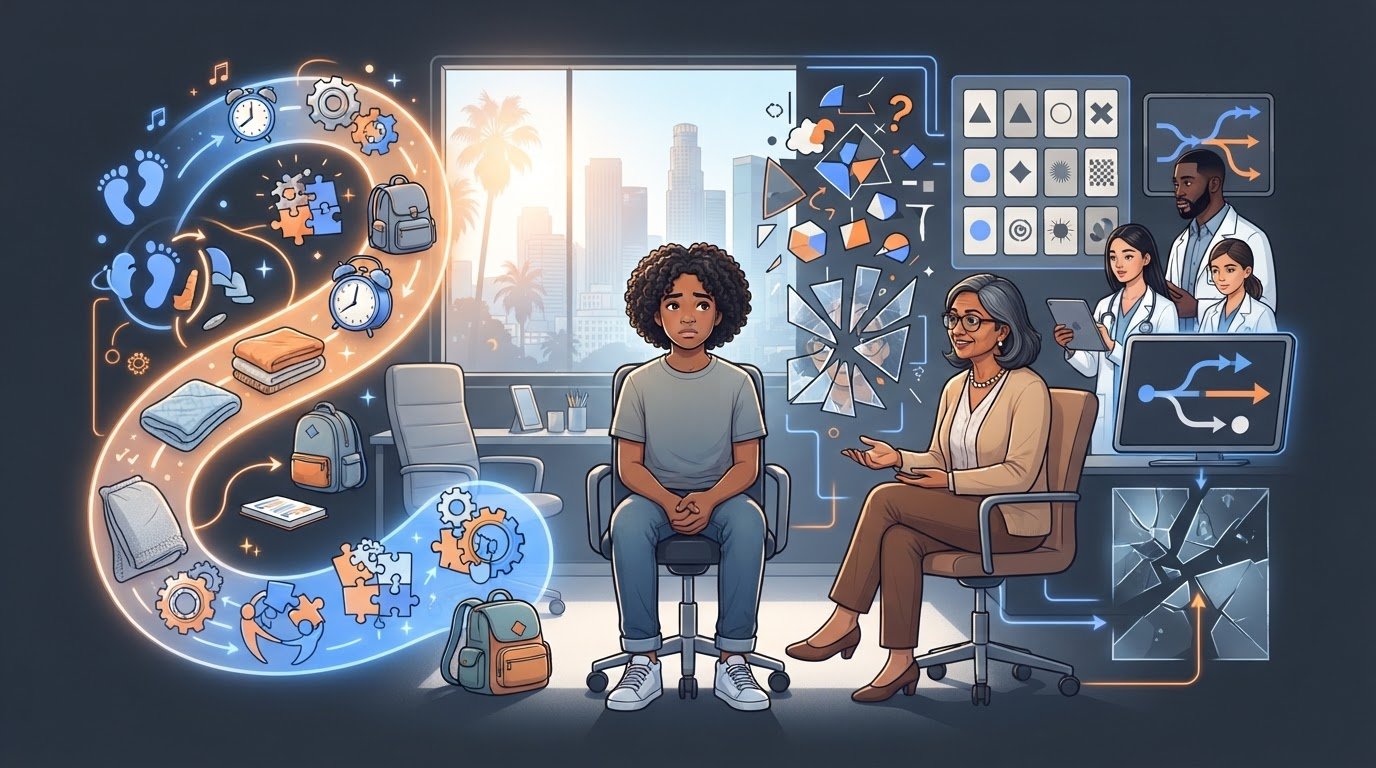
Clinical research confirms that the single most powerful predictor of long-term stability for someone experiencing psychosis is not just the medication they take, but the specific environment they return to at home. When a loved one faces a psychotic break, you likely feel a crushing sense of helplessness that general family counseling simply doesn't address. You aren't just looking for a sympathetic ear; you're looking for a clinical lifeline. Specialized family psychoeducation Los Angeles families can access at Pand Health bridges the gap between chaotic crisis management and a sustainable, data-driven recovery.
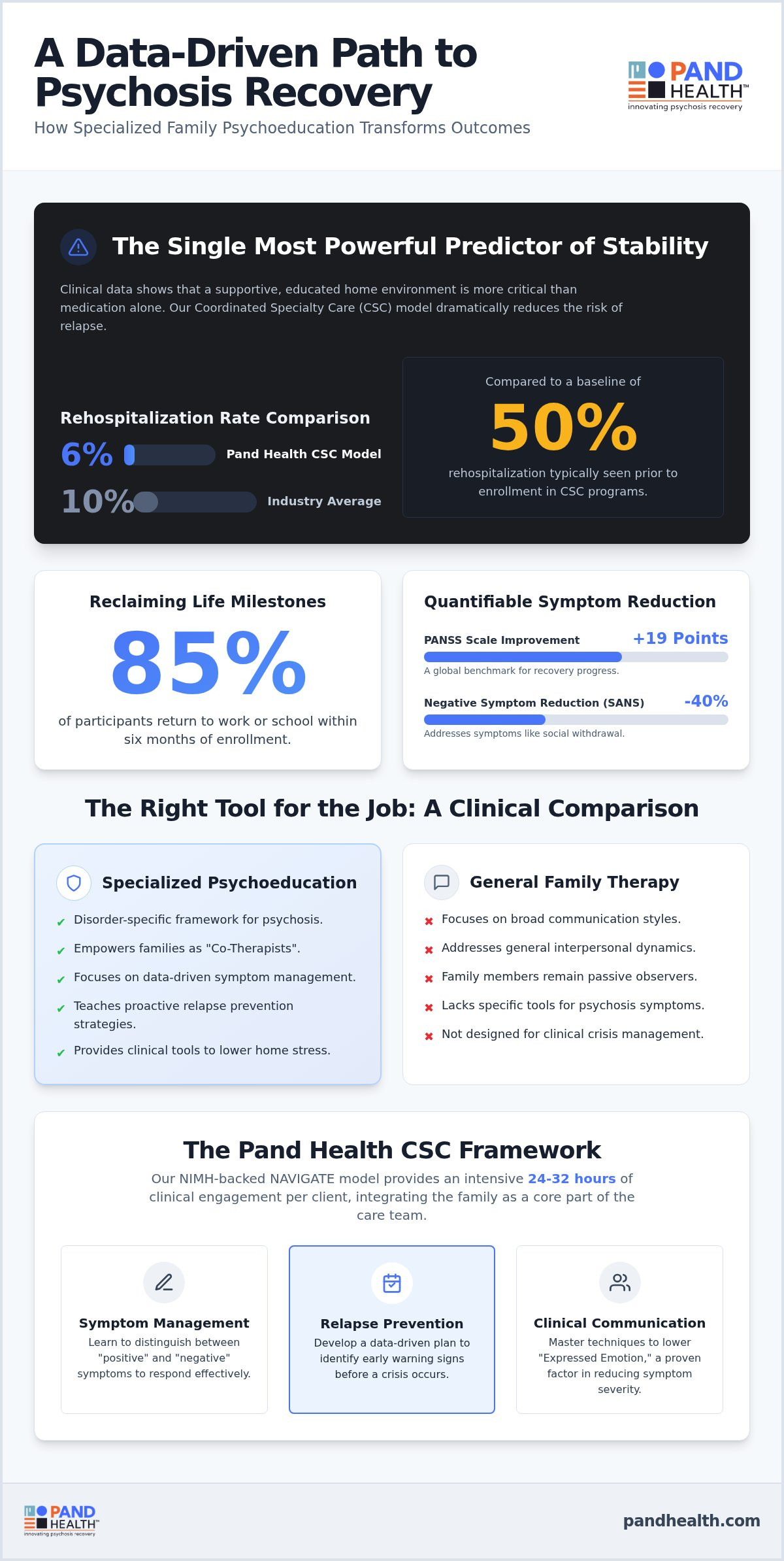
We understand the weight of caregiver burnout and the constant fear that another hospitalization is right around the corner. This guide details how our Coordinated Specialty Care model, which maintains a 6% rehospitalization rate compared to the 10% industry average, transforms the recovery process from a series of emergencies into a manageable path. You'll learn how to master clear communication strategies that manage symptoms effectively and help your loved one return to school or work. We'll explore a path that replaces social isolation with restored family harmony and professional-grade support, providing the tools you need to reclaim your family's future.
Key Takeaways
- Understand the "Co-Therapist" model and how it empowers you to transition from a passive observer to an active, informed partner in your loved one's recovery.
- Discover why specialized family psychoeducation Los Angeles families receive at Pand Health is a clinical necessity that serves as the single greatest predictor of long-term stability.
- Learn how evidence-based frameworks like the SEE curriculum help reduce rehospitalization rates to just 6% through structured symptom monitoring and professional support.
- Identify the critical differences between general family therapy and disorder-specific psychoeducation to ensure your family utilizes the most effective therapeutic tools.
- Gain actionable strategies for establishing a low-stress home environment and developing a proactive relapse prevention plan with Southern California’s leading specialists.
What is Family Psychoeducation for Psychosis?
Psychoeducation is a structured, evidence-based therapeutic intervention designed to bridge the gap between clinical expertise and the lived experience of the family. While general family therapy often focuses on broad communication styles or interpersonal dynamics, specialized family psychoeducation Los Angeles families receive at Pand Health is specifically calibrated to the mechanics of psychosis. It provides a rigorous framework of clinical knowledge, allowing you to understand the neurological underpinnings of symptoms rather than viewing them through the lens of behavioral choices.
Our approach utilizes the "Co-Therapist" model. This framework shifts family members from being passive observers of a crisis into active, informed partners in the recovery process. You're no longer just a caregiver waiting for updates; you become a vital extension of the clinical team. This specialized training includes several core components:
- Symptom Management: Learning to distinguish between "negative symptoms" like social withdrawal and "positive symptoms" like hallucinations.
- Relapse Prevention: Developing a data-driven plan to identify early warning signs before a full crisis occurs.
- Clinical Communication: Mastering specific techniques to lower "expressed emotion" at home, which is a proven factor in reducing symptom severity.
The NAVIGATE Framework and Coordinated Specialty Care
At Pand Health, we implement the NIMH-backed NAVIGATE model within our California OnTrack program. This is the gold standard of Coordinated Specialty Care (CSC). Unlike traditional outpatient services that might only offer an hour of therapy a week, our intensive model provides 24 to 32 hours of clinical engagement per client. This level of intensity requires seamless family integration. Our multidisciplinary team, including psychiatrists and social workers, works directly with the family unit to ensure that the progress made in our clinic is reinforced and sustained in the home environment.
Who Benefits Most from Psychoeducation in Los Angeles?
This intervention is most effective for families navigating First Episode Psychosis (FEP), particularly in teens and young adults aged 13 to 40. We also support spouses and parents of individuals with long-term schizophrenia-spectrum disorders who find that general counseling hasn't provided the necessary stability. Many families come to us seeking social skills training to help their loved one reintegrate into the community. By combining these social tools with psychoeducation, we've seen 85% of our participants return to work or school within six months, illustrating that recovery is a tangible, measurable goal.
Clinical Outcomes: Why Family Involvement Reduces Relapse
Recovery is not a vague concept; it is a measurable clinical outcome. At Pand Health, our specialized approach to family psychoeducation Los Angeles families utilize has transformed the trajectory of psychosis treatment. We've documented a rehospitalization rate of just 6%, a stark contrast to the 50% baseline typically seen prior to enrollment in our programs. This success stems from the family's evolved role in medication adherence and proactive symptom monitoring. When you understand the early warning signs, you can intervene before a minor setback becomes a major crisis.
Central to this success is the reduction of "Expressed Emotion" (EE). In clinical terms, high EE refers to home environments with high levels of criticism or emotional over-involvement, which are known triggers for psychotic episodes. By providing families with concrete tools to lower these stress levels, we create a sanctuary for healing. These efforts lead to significant functional gains. Within six months of enrollment, 85% of our participants achieve active participation in employment or education, reclaiming the milestones of early adulthood.
Measuring Success with PANSS and SANS Scales
We track every step of the journey using validated clinical metrics. Our participants consistently show a 19-point improvement on the Positive and Negative Syndrome Scale (PANSS). The PANSS scale is a global benchmark for clinical recovery progress that evaluates the severity of both positive and negative symptoms. We also observe a 40% reduction in negative symptoms on the SANS scale. This data-driven approach to family psychoeducation Los Angeles families trust ensures that every intervention is backed by measurable progress. This shift directly impacts daily life, as it means a loved one experiences less social withdrawal and more emotional resonance, making family interactions feel natural again.
Reducing Inpatient Stay Lengths
The emotional and financial burden of long-term hospitalization is one of the greatest pains LA families face. While the general industry average for an inpatient stay is 40 days, participants in our OnTrack program average only 7 days. This dramatic reduction is possible because the home environment is clinically prepared for their return. Learning how to set boundaries with a psychotic family member is a key part of this preparation. It ensures that stability is maintained without leading to caregiver burnout. If you are navigating the complexities of a recent diagnosis, you can contact our clinical team to explore how our specialized path can help your family find a new normal.
Family Psychoeducation vs. General Family Therapy
Many families seeking support initially turn to general counseling, only to find that traditional talk therapy doesn't equip them for the specific challenges of a psychotic disorder. While general family therapy targets interpersonal dynamics and emotional expression, the specialized family psychoeducation Los Angeles families access through our programs targets the disorder itself. It's a shift from processing feelings about the situation to mastering the clinical management of the condition. We move beyond the "why" of the illness and focus on the "how" of daily stability.
Our approach is highly structured and curriculum-based, utilizing frameworks like the SEE (Supportive Education and Empowerment) curriculum. It isn't an open-ended session for venting frustrations. Instead, it's a time-limited, goal-oriented intervention that prioritizes skill-building and proactive crisis planning. A key differentiator at Pand Health is the involvement of Metacognitive Training (MCT) instructors. These specialists teach families how to recognize and bypass "thinking traps"-cognitive biases like jumping to conclusions that often fuel delusions. By understanding the mechanics of these thought patterns, families can provide more effective, non-confrontational support during difficult moments.
When to Choose Specialized Psychoeducation
Timing is everything in psychosis recovery. This intervention is most critical during the "First Episode" window, which typically affects individuals between the ages of 13 and 40. If your current counseling sessions feel insufficient for managing active delusions, intense paranoia, or the "flat" emotional affect often associated with schizophrenia, it's a sign that a more clinical approach is required. Before beginning intensive family work, a comprehensive psychiatric evaluation for psychosis in Los Angeles is essential to establish a clear diagnostic baseline and treatment roadmap.
Pand Health’s Unique "Work-Study" Integration
Stabilizing the home is only the first step toward a full life. Our family psychoeducation directly supports the California OnTrack Work-Study Program by teaching families how to become effective advocates in the real world. We empower parents and spouses to navigate the complexities of workplace accommodations or school-based support systems. By integrating social skills training into the family unit, we create a bridge between the clinical setting and the community. This ensures the patient isn't just stable behind closed doors but is also equipped to thrive in professional and academic environments.
Practical Strategies for Families Navigating Recovery
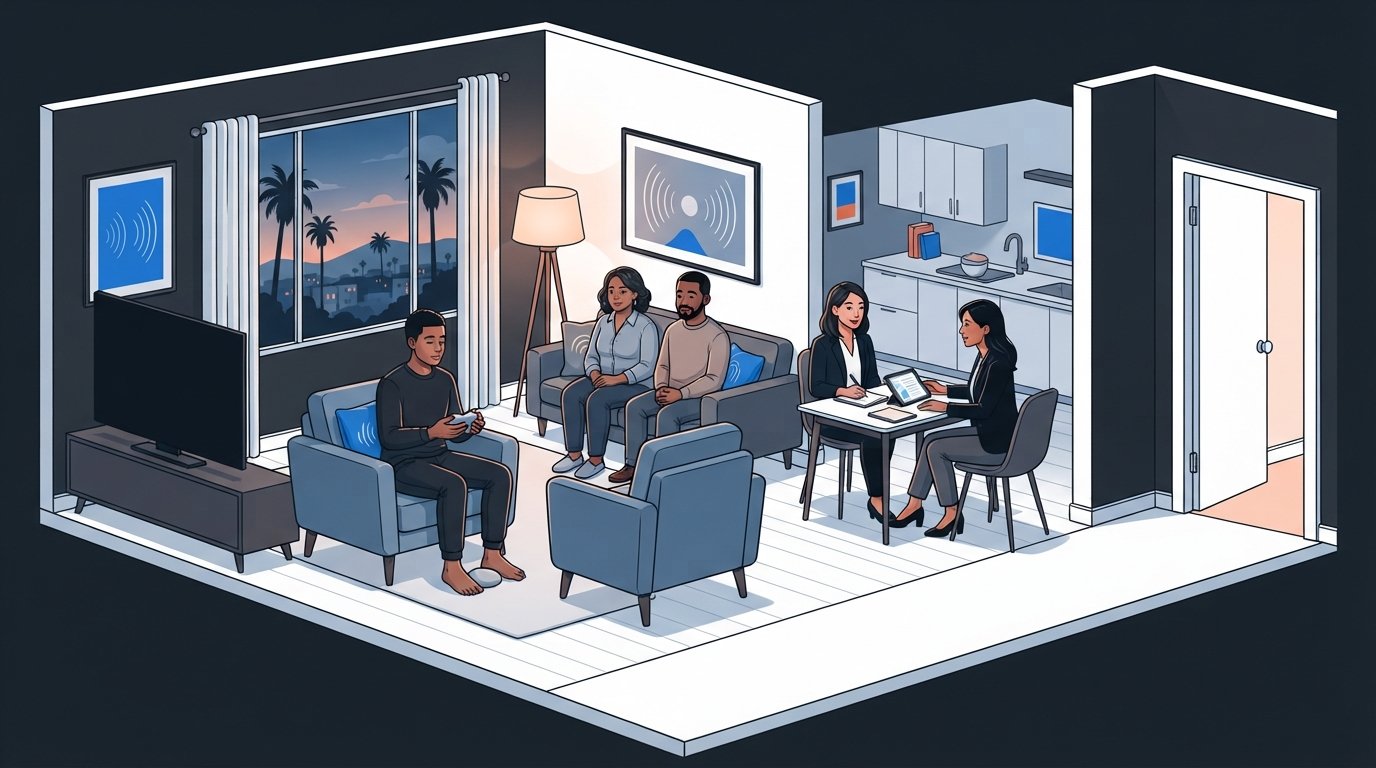
Clinical stabilization requires a seamless transition from the treatment room to the living room. Mastering the family psychoeducation Los Angeles families rely on involves adopting specific, evidence-based habits that support a loved one's neurological healing. By shifting the home environment from a place of high stimulation to a structured sanctuary, you provide the brain the space it needs to recalibrate after a psychotic episode.
Implementing these strategies helps bridge the gap between clinical sessions and daily life:
- Establish a Low-Stress Environment: Reduce overstimulation by minimizing loud noises, chaotic schedules, and high-intensity emotional confrontations. A calm, predictable atmosphere lowers the brain's cortisol levels, which helps prevent symptom flares.
- Develop a Relapse Prevention Plan: Work with your clinical team to document early warning signs, such as changes in sleep patterns or increased social withdrawal. Having a pre-determined "action plan" removes the guesswork during a crisis.
- Apply SCIT Techniques: Use Social Cognition and Interaction Training (SCIT) principles to help your loved one interpret social cues. If they misread a situation, calmly clarify the intent without being critical.
- Engage in Continuous Learning: Utilize resources like The Mind Exposed Podcast to stay informed about the latest research and recovery success stories.
Supporting a Loved One with Cannabis-Induced Psychosis
When substances are a factor, the path to recovery often involves unique communication hurdles. Cannabis use can complicate a thought disorder by masking symptoms or triggering intense paranoia, making it difficult for families to know what is a drug effect and what is a clinical symptom. Managing this intersection requires a dual-focus approach that addresses both addiction recovery and the underlying thought disorder. For a detailed roadmap on this specific challenge, you can read our guide on how to recover from cannabis-induced psychosis. If you are ready to move from crisis to a structured recovery plan, reach out to our Los Angeles team today.
Preventing Caregiver Burnout in Southern California
The intensity of supporting someone through psychosis can lead to compassion fatigue, a state of emotional exhaustion that compromises your own health and your ability to provide care. It's vital to identify these signs early, such as feeling socially isolated or experiencing chronic irritability. We encourage families to participate in multi-family group therapy, which provides a unique community of peers who truly understand the journey. To ensure you are maintaining your own well-being while supporting your loved one, refer to our avoiding caregiver burnout psychosis checklist for actionable self-care steps.
Accessing Specialized Family Care in Los Angeles
Accessing the right care in a sprawling city like Los Angeles can feel overwhelming during a mental health crisis. At Pand Health, we provide a definitive starting point at our primary site located at 11500 W. Olympic Blvd., Suite 399, Los Angeles, CA 90064. We're proud to offer the only outpatient Coordinated Specialty Care (CSC) program in Southern California that integrates APA-recommended cognitive remediation. This distinction is vital; it means we don't just manage symptoms, we actively work to restore the cognitive functions necessary for a full life. Our facility serves as a hub for innovation and specialized intervention for the entire Southern California community.
Our intake process is designed to move your family from uncertainty to a structured path of progress. It begins with a comprehensive psychiatric evaluation to establish a clear clinical baseline and rule out co-occurring conditions. From there, we move quickly into family integration, ensuring that the specialized family psychoeducation Los Angeles caregivers need is provided alongside the patient's individual treatment. At Pand Health, "Recovery is the Expectation." We don't settle for mere stabilization. We aim for the restoration of goals, relationships, and independence through a data-driven methodology that prioritizes the success of the individual.
Insurance and Program Eligibility
Our California OnTrack programs are specifically tailored for individuals between the ages of 13 and 40 who are experiencing a first episode of psychosis. This age-specific focus allows us to address the unique academic and professional milestones that are often interrupted by a diagnosis. We understand that navigating insurance can be a significant hurdle during stressful times. Our team helps you verify coverage for intensive outpatient psychosis treatment so you can focus on healing rather than paperwork. The first step toward clarity is simple. You can Contact Pand Health today to schedule a comprehensive evaluation and begin the intake process.
The Mind Exposed: A Resource for LA Families
For families who aren't yet ready for full enrollment or those seeking initial guidance, we offer The Mind Exposed Podcast. This resource serves as a "lifeline" of expertise, providing a steady hand in the storm when you need it most. Our episodes cover critical topics, including the early signs of schizophrenia and how to navigate the complex LA mental health system. It's a way for all family members to build a foundation of knowledge and clinical insight at their own pace. This ongoing education ensures that every person involved in the recovery journey is speaking the same language of hope and science, even before they step into our clinic.
A Path Toward Sustainable Stability and Recovery
Psychosis recovery is a journey that no family should navigate in isolation. By embracing the structured framework of family psychoeducation Los Angeles families can transform a cycle of crisis into a data-driven path toward long-term wellness. You've learned how specialized training and clinical support reduce rehospitalization rates to just 6% compared to the 50% baseline often seen prior to enrollment. This intervention isn't just about managing symptoms; it's about reclaiming the milestones of a life well-lived.
Pand Health remains the only Coordinated Specialty Care program in Southern California featuring certified MCT instructors. This level of clinical rigor is a primary reason why 85% of our participants successfully return to work or school within six months of starting treatment. We invite you to move beyond the helplessness of a diagnosis and step into a role of empowered advocacy for your loved one. Your family's stability is our highest priority.
Request a Family Consultation at our Los Angeles Clinic to begin building your roadmap to stability. There is a clear way back to harmony and health, and our team is ready to serve as your dedicated guide through every step of the recovery process.
Frequently Asked Questions
What is the difference between family therapy and family psychoeducation?
Family psychoeducation focuses on providing clinical information about the disorder and teaching specific management skills; general family therapy typically addresses interpersonal emotional dynamics. Our approach to family psychoeducation Los Angeles residents utilize is curriculum-based and time-limited. We prioritize teaching you how to identify early warning signs and manage symptoms effectively. This clinical focus ensures that the family becomes an active partner in the medical recovery process rather than just seeking general emotional support.
Can family psychoeducation help with cannabis-induced psychosis?
We provide specialized support for families navigating the complexities of cannabis-induced psychosis. This condition requires a dual approach that addresses both the substance use and the resulting thought disorder. Our program helps families understand how cannabis affects brain chemistry in vulnerable individuals and provides strategies for managing recovery. By integrating substance use education with psychosis management, we help families create a clear path toward long-term sobriety and sustainable mental stability.
How long does the California OnTrack program last for families in Los Angeles?
The California OnTrack program typically lasts for approximately two years, focusing on the critical window following a first episode of psychosis. This duration allows for the intensive application of Coordinated Specialty Care, including family integration and work-study support. While the most intensive phase occurs in the first six months, the extended duration ensures that recovery is sustained. We work with families throughout this period to transition from crisis management to long-term community reintegration.
Is family involvement mandatory for psychosis treatment at Pand Health?
While we strongly encourage family involvement as a cornerstone of the Coordinated Specialty Care model, we tailor our approach to each individual's unique situation. Clinical data shows that family participation is a powerful predictor of success, which is why we prioritize it in our treatment plans. However, we recognize that every family dynamic is different. Our team works to build a support network that best serves the patient's recovery goals while respecting their personal circumstances.
How much does family psychoeducation reduce the risk of rehospitalization?
Family psychoeducation significantly reduces rehospitalization rates to just 6% for our participants, which is a major improvement over the 50% baseline seen prior to enrollment. This is achieved by training families to identify prodromal symptoms and intervene before a full relapse occurs. By lowering the level of stress in the home and improving medication adherence, we create a stable environment that prevents the need for acute inpatient care and promotes continuous healing.
What age groups are eligible for the family programs at your Los Angeles site?
Our specialized programs in Los Angeles serve teens and young adults between the ages of 13 and 40. This age range is critical because it encompasses the typical onset of first-episode psychosis and key developmental milestones. By focusing on this group, we offer age-appropriate interventions like our California OnTrack Work-Study Program. This ensures that recovery includes a successful return to high school, college, or the professional workforce while the family receives targeted support.
Do you offer online family psychoeducation sessions for those in Southern California?
We offer flexible options for families throughout Southern California, including the ability to conduct certain sessions via telehealth. While our primary clinic is located on Olympic Boulevard, we understand the logistical challenges of the Los Angeles area. Providing virtual access ensures that families receive consistent education and support without the stress of a long commute. This flexibility is essential for maintaining the high level of engagement required for successful clinical outcomes and long-term stability.
How does psychoeducation help with social skills training for my loved one?
Psychoeducation empowers families to reinforce social skills training by teaching them the mechanics of Social Cognition and Interaction Training (SCIT). When you understand how your loved one processes social information, you can help them practice these skills in real-world settings. Families learn to provide non-confrontational feedback and help patients identify cognitive biases. This consistent reinforcement at home is what allows the social gains made in our clinic to become permanent, functional life skills.
Disclaimer
This article is for information and educational purposes only, and can NEVER replace a proper medical evaluation. If you or a loved one may be suffering from psychosis or the prodomal symptoms of psychosis, get evaluated by a professional as soon as possible. Early diagnosis and treatment can be life-saving.