Cannabis-Induced Psychosis: What Families Should Know
By Rachael Simonoff Wexler
Rachael Simonoff Wexler
- Tags:
- Psychosis
When “Just Experimenting” Becomes Something More
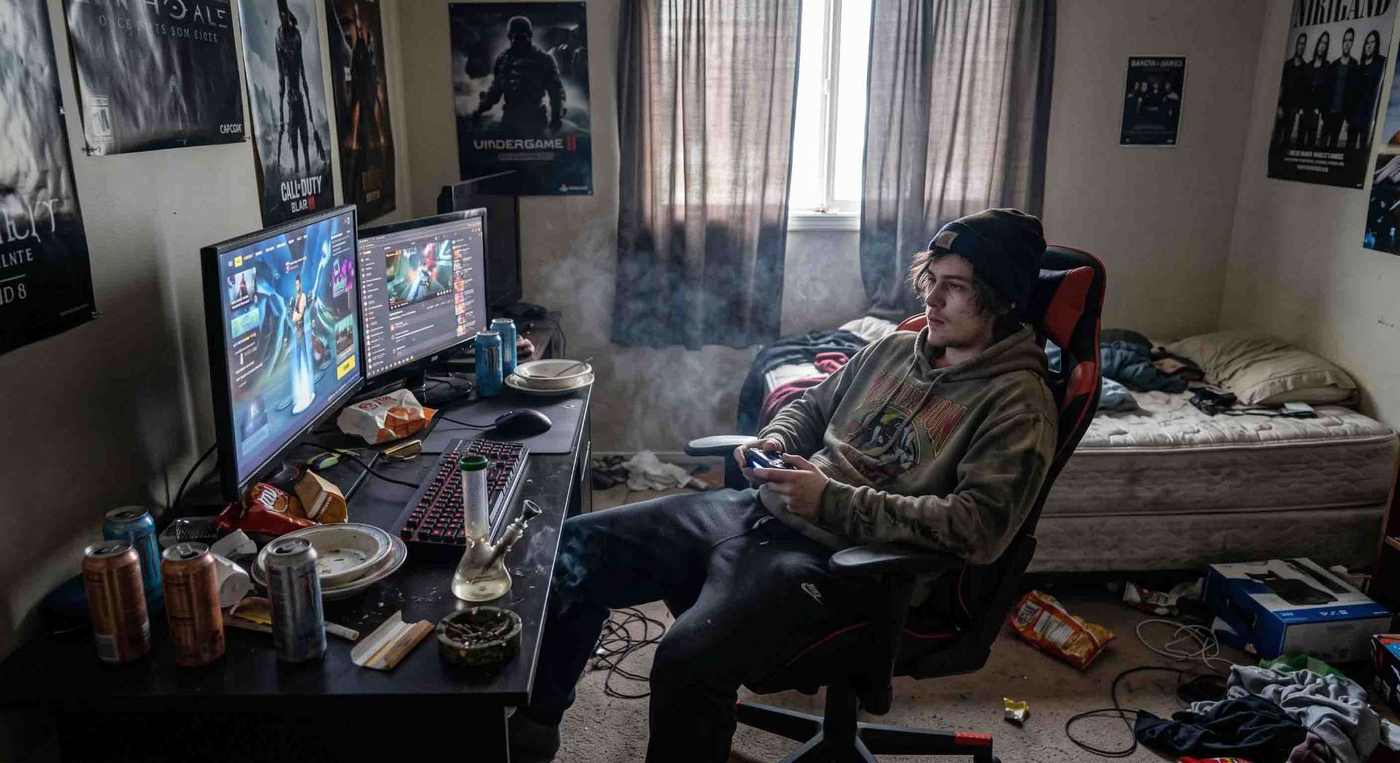
If you’re a parent or caregiver, you’ve probably heard the line: “It’s just weed, everyone does it.” Maybe you even believed it at first. After all, cannabis is legal in California. It’s marketed as natural, safe, even medicinal.
But here’s the truth that doesn’t make it into the glossy ads: for some teens and young adults, cannabis can flip a switch in the brain. What looks like typical experimentation can quickly spiral into paranoia, disorganized thinking, or even hallucinations. Families often feel blindsided. One week their teen seemed fine, and the next they’re dealing with symptoms they never imagined.
If that sounds familiar, you’re not alone. And more importantly, it’s not your fault.
At Pand Health, we’ve seen countless families go through this exact scenario. That’s why understanding cannabis-induced psychosis (CIP) and acting quickly can make all the difference.
What Is Cannabis-Induced Psychosis?
Cannabis-induced psychosis happens when marijuana use disrupts the brain’s chemistry, leading to psychotic symptoms. For clinicians and curious families, we also break down the computational architecture behind cannabis-induced psychosis. These can include:
- Hallucinations, seeing or hearing things others don’t (how hallucinations differ from other experiences).
- Delusions, strong, unusual beliefs not based in reality (how delusions form).
- Disorganized speech or behavior, thoughts seem scattered, words don’t line up (what disorganization looks like).
- Paranoia, sudden distrust of friends, family, or even strangers (why the brain jumps to conclusions).
For some, symptoms fade once cannabis use stops. For others, cannabis use may unmask an underlying vulnerability to conditions like schizophrenia or schizoaffective disorder. That’s why it’s not just about stopping the drug; it’s about getting the right evaluation and support early, and, when use itself is the driver, treatment for cannabis use disorder.
Why Teens Are Especially at Risk
The adolescent brain is still developing, particularly in areas that regulate decision-making and emotion. Cannabis use during this time can disrupt neural pathways in ways that last (what happens in the at-risk brain). Our teen program is built around this developmental window.
Families often describe the change as “my child just isn’t themselves anymore.” That sudden shift, from a connected, curious teen to someone withdrawn, irritable, or suspicious, is a red flag.
The Warning Signs Families Should Watch For
It can be hard to tell what’s “normal teenage behavior” and what signals something more. Here are patterns that should prompt closer attention, and our what to look for guide walks through them in detail:
- A sudden drop in school performance (cognitive changes to watch).
- Unusual beliefs (“the government is spying on me” or “my friends are plotting against me”).
- Talking to themselves or seeming to respond to voices you don’t hear.
- Extreme mood swings are tied to cannabis use.
- Withdrawal from family or long-time friends (early warning signs).
If you notice two or more of these changes, especially when they appear after cannabis use, it’s time to act. Start with the first questions to ask and how to start the conversation without shutting it down.
Why Early Help Matters
One of the hardest truths to accept as a parent is that ignoring these signs doesn’t make them go away. Psychosis is not a “phase.” The earlier care begins, the greater the chance of recovery and preventing long-term disability.
Families who wait often look back and say, “I wish we had taken the first signs more seriously.”
Early intervention can:
- Reduce the risk of hospitalization (what the outcome data show).
- Improve school and work outcomes (supported education and employment).
- Strengthen coping skills and family communication (family resources).
- Prevent relapse triggered by ongoing cannabis use.
Pand Health's approach to cannabis-induced psychosis
At Pand Health, we provide specialized cannabis-induced psychosis care for teens and young adults across Los Angeles and California. Our team understands the unique challenges of cannabis-induced psychosis and offers:
- Comprehensive assessment to determine if psychosis is linked to cannabis or other causes.
- Therapy and skill-building to support recovery and reduce relapse, delivered inside a coordinated specialty care model.
- Family education so parents know how to respond and support without shame or blame.
- Psychiatric care when medication is part of the solution.
Related reading
- Cannabis-induced psychosis: our treatment program
- The architecture of cannabis-induced psychosis
- Cannabis use disorder treatment
- What is psychosis?
- Recognizing psychosis: what to look for
- First questions to ask
- Prodromal schizophrenia: a family guide
- What is coordinated specialty care?
- Programs for teens and young adults
If cannabis use has triggered psychotic symptoms, start with a rapid intake evaluation.