
Understanding Bipolar Disorder: A Guide for LA Families
Imagine watching your bright, ambitious teenager suddenly oscillate between sleepless nights of frantic productivity and weeks of heavy, unshakable silence. When these shifts are accompanied by confusing breaks from reality, the search for a definitive lifeline becomes urgent. Understanding what is bipolar disorder requires looking beyond simple mood swings to the complex biological rhythms that govern energy and perception. It's an isolating experience for any Los Angeles family to navigate, especially when you're gripped by anxiety over your child's long-term functionality and future employment.
You deserve a roadmap that replaces this confusion with clinical clarity and a sense of profound relief. This guide provides a compassionate look at diagnostic criteria and the critical distinction between mood and thought disorders. We'll examine how specialized early intervention, such as the California OnTrack program, transforms a daunting diagnosis into a manageable journey toward wellness. By focusing on cognitive remediation and social rehabilitation, recovery becomes the expectation rather than the exception. You'll learn how targeted, high-end care leads to lasting stability, evidenced by an 85% rate of education or work participation for those in specialized recovery programs.
Key Takeaways
- Learn exactly what is bipolar disorder by looking beyond simple "mood swings" to understand the complex neurological rhythms affecting energy and perception.
- Identify the critical differences between Bipolar I, Bipolar II, and schizoaffective disorder to ensure your family member receives the correct diagnostic path.
- Recognize the warning signs of mania and psychotic features, providing a clear framework to distinguish between mood shifts and breaks from reality.
- Discover why Coordinated Specialty Care (CSC) is the clinical gold standard for early intervention in teens and young adults aged 13 to 40.
- Explore how specialized "Augmented CSC" programs in Los Angeles help 85% of participants return to work or school within six months of starting treatment.
Beyond Mood Swings: Defining Bipolar Disorder in 2026
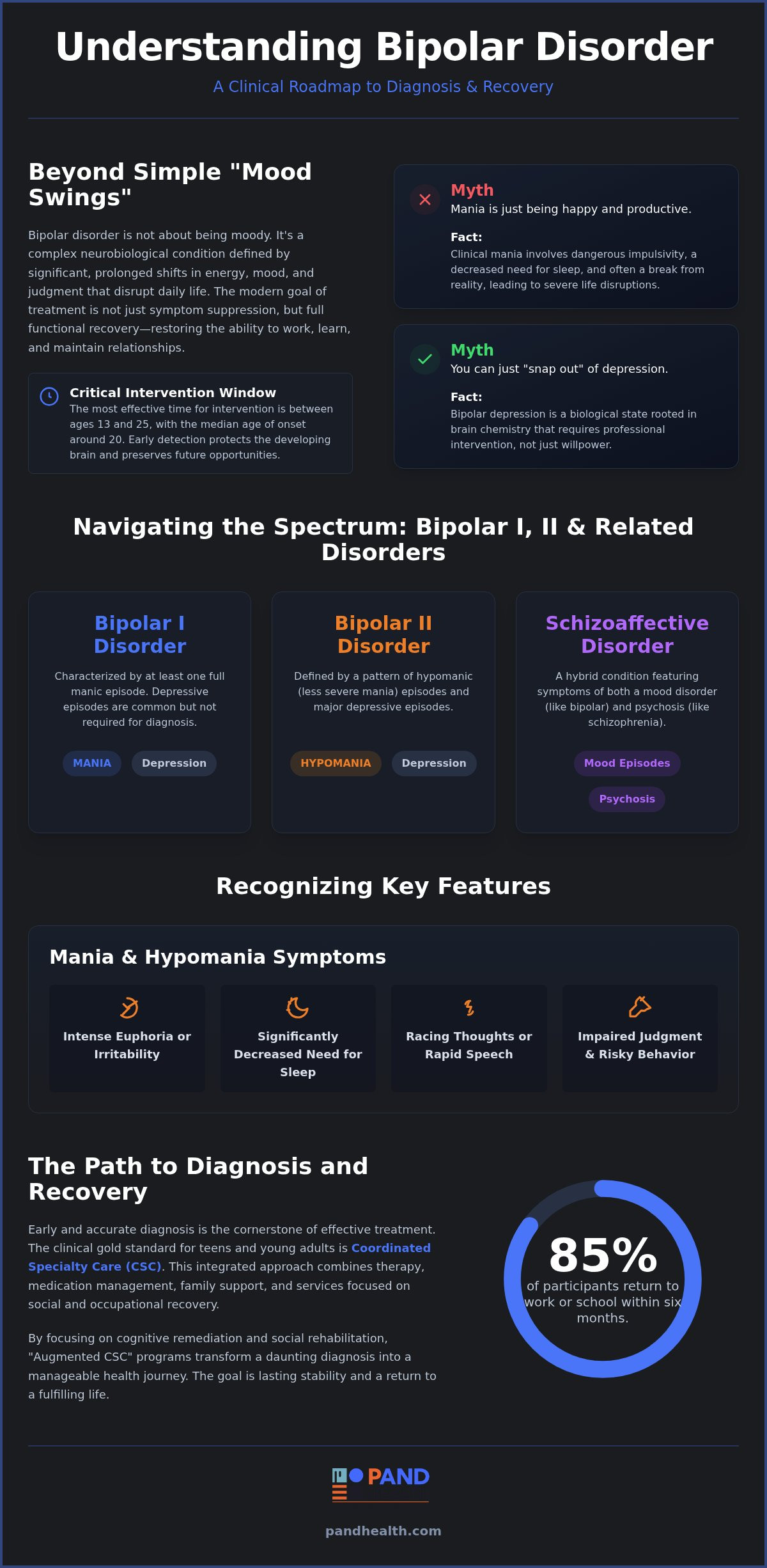
For many years, the term "manic depression" dominated our understanding of severe mood fluctuations. In 2026, clinical practice has moved toward a more nuanced, spectrum-based approach that views these experiences as part of a broader neurological landscape. Bipolar disorder is a complex neurobiological condition characterized by significant shifts in energy levels and judgment that fundamentally alter an individual's ability to navigate daily life. When families ask, "What is bipolar disorder?" they're often seeking more than a dictionary definition. They're looking for a way to understand why their loved one's personality seems to have undergone a seismic shift.
The modern goal of treatment has evolved from mere symptom suppression to functional recovery. It's no longer enough to simply stop the "highs" and "lows." True success means restoring the individual's capacity to work, learn, and maintain meaningful relationships. This perspective shifts the diagnosis from a lifelong burden to a manageable health journey. By prioritizing cognitive health alongside mood stability, we help individuals reclaim the trajectory of their lives.
The Biological Reality of Mood Regulation
At its core, this condition is rooted in the physical architecture of the brain. Research into a comprehensive overview of bipolar disorder reveals that neurotransmitter fluctuations, specifically involving dopamine and serotonin, play a central role in how the brain processes reward and emotion. While genetics often provide the underlying blueprint, environmental factors like trauma or chronic stress act as the triggers that initiate the first episode. It's a physical health issue that manifests through behavioral changes.
The most critical window for intervention is between the ages of 13 and 25. Since the median age of onset is approximately 20, identifying symptoms during these formative years is vital. Early detection allows us to protect the developing brain and significantly improves the chances of long-term stability. Understanding what is bipolar disorder in the context of adolescent development helps families act before the condition disrupts educational or social milestones. Early intervention isn't just about safety; it's about preserving the individual's future.
Common Misconceptions vs. Clinical Facts
A common myth suggests that bipolar disorder is simply being "moody" or "unpredictable." In reality, everyday emotions are fleeting responses to external events. Clinical bipolar disorder involves distinct episodes of mania or depression that persist for days or weeks, regardless of the person's circumstances. These episodes represent a profound departure from the individual's baseline self.
- Myth: Mania is just being very happy or exceptionally productive.
- Fact: Clinical mania often involves dangerous impulsivity, a decreased need for sleep, and a break from reality that can lead to significant life disruptions.
- Myth: You can "snap out" of a depressive episode with the right attitude or lifestyle change.
- Fact: Bipolar depression is a biological state that requires professional intervention, not just willpower.
Distinguishing between a bad day and a clinical episode is the first step toward finding safety. If you're concerned about a family member's recent behavior or fluctuating energy levels, you can contact our team for a professional psychiatric evaluation. Identifying the specific patterns early is the most effective way to ensure a return to normalcy.
Recognizing Mania, Hypomania, and Psychotic Features
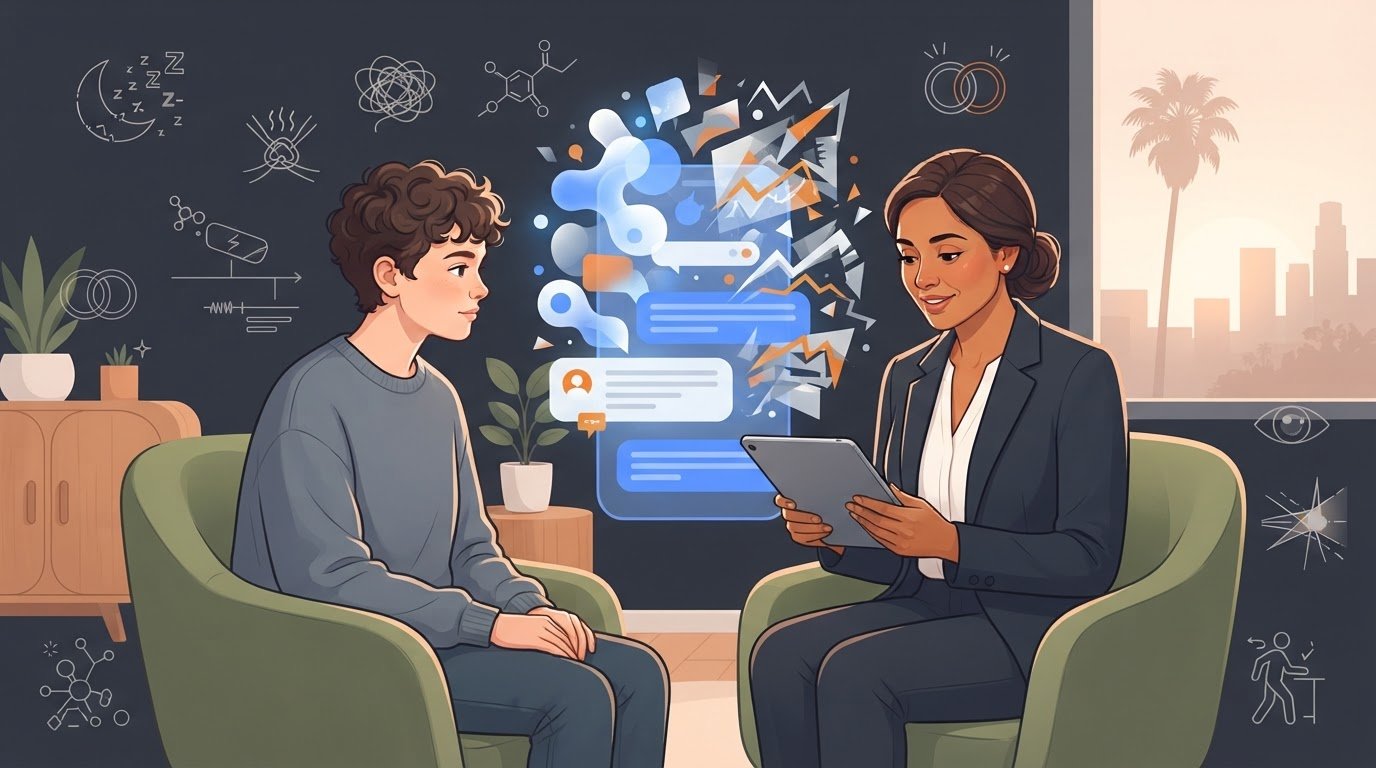
Recognizing the specific symptoms of a mood episode is often the first step in answering the question of what is bipolar disorder. While many people associate the condition with "mood swings," the clinical reality involves distinct, prolonged states of mania or depression. During a manic episode, an individual may experience intense euphoria, a significantly decreased need for sleep, and racing thoughts that make it difficult to focus. This isn't merely a burst of productivity; it's a high-energy state that often leads to impaired judgment and risky behaviors. According to the National Institute of Mental Health, these symptoms must represent a clear change from a person's usual behavior to meet diagnostic criteria.
In contrast, hypomania is a less severe form of mania seen in Bipolar II. While it may feel like a period of high energy and creativity, it remains disruptive and often precedes a deep depressive "crash." These lows are characterized by hopeless energy, a total loss of interest in once-loved activities, and "cognitive slowing," where even simple thoughts feel heavy and difficult to process. Understanding what is bipolar disorder in the context of these energy shifts helps families identify when a loved one is struggling before a crisis occurs.
When Mania Meets Psychosis
One of the most misunderstood aspects of Bipolar I is the point where extreme mania transitions into a psychotic episode. Psychotic features include hallucinations, such as hearing voices, and delusions, which are fixed, grandiose beliefs that don't align with reality. This crossover can make diagnosis difficult, as the symptoms may mimic other conditions. For families in Los Angeles, obtaining a specialized evaluation for thought disorders and autism is often necessary to distinguish between these complex clinical presentations and ensure the correct treatment path.
Signs in Teens and Young Adults
Symptoms manifest uniquely in the 13 to 25 age group, often appearing as "prodromal" signs before a full episode occurs. You might notice sudden social withdrawal, an unexplained drop in grades, or a marked shift in personality. Because the brain is still developing, these early indicators are vital. Programs like California OnTrack for Teens provide a specialized framework to address these specific needs during this critical developmental window. If you've noticed these patterns, reaching out for a professional psychiatric evaluation can provide the clarity your family needs to move forward with confidence.
Navigating the Spectrum: Bipolar I, II, and Schizoaffective Overlap
Understanding the spectrum is vital because what is bipolar disorder can look drastically different from one individual to the next. Bipolar I is often the most recognizable form, defined by the presence of at least one full manic episode. These episodes frequently include the psychotic features discussed previously, requiring immediate and intensive clinical support. In Bipolar II, the pattern shifts to chronic depression alternating with hypomania. While hypomania doesn't reach the intensity of a full manic break, the depressive phases are often more frequent and longer lasting, creating a unique set of challenges for the family unit.
For individuals experiencing symptoms that don't quite meet the threshold for Bipolar I or II but persist for at least two years, a diagnosis of cyclothymia may be applied. This involves a long term pattern of milder highs and lows that can still disrupt daily functioning. The most complex overlap occurs with schizoaffective disorder (bipolar type). This condition exists at the intersection of mood and thought disorders, where an individual experiences the highs and lows of bipolar disorder alongside independent symptoms of psychosis.
Bipolar I vs. Schizoaffective Disorder
The primary differentiator between these two diagnoses is the timing of the symptoms. In Bipolar I, psychosis typically occurs within the context of a severe manic or depressive state. However, in schizoaffective disorder, an individual experiences at least two weeks of delusions or hallucinations even when a major mood episode isn't present. This distinction is critical because schizoaffective disorder treatment requires a dual focus approach that addresses both the mood fluctuations and the independent thought disorder. At Pand Health, our comprehensive psychiatric evaluations in Los Angeles use precise diagnostic tools to ensure families receive an accurate roadmap from the very beginning.
Why the Specific Diagnosis Matters
An accurate diagnosis is the cornerstone of diagnosis and evidence-based treatment. Medication management varies significantly between these types. For example, someone with Bipolar II might focus more on long term mood stabilizers for depression, while Bipolar I often requires atypical antipsychotics to manage the risk of mania.
Treatment also shifts in its focus on rehabilitation. Social skills training is a vital component for Bipolar I recovery to help reintegrate individuals after a significant manic episode. For Bipolar II, the clinical focus might lean more toward cognitive behavioral strategies to manage the cycle of depressive energy. When you understand the specific nuances of what is bipolar disorder in your loved one's case, the diagnosis stops being a confusing label and starts being a clear guide for long term wellness.
The Path to Diagnosis and Evidence-Based Treatment
The journey toward stability begins with a rigorous psychiatric evaluation that goes beyond a simple checklist of symptoms. A professional assessment involves a deep dive into psychiatric history, careful symptom tracking over time, and ruling out medical or substance-related causes. While understanding what is bipolar disorder provides the essential context, the diagnostic process is about identifying the unique biological and environmental patterns that drive an individual's episodes. This precision ensures that the resulting care plan is a tailored roadmap rather than a generic solution.
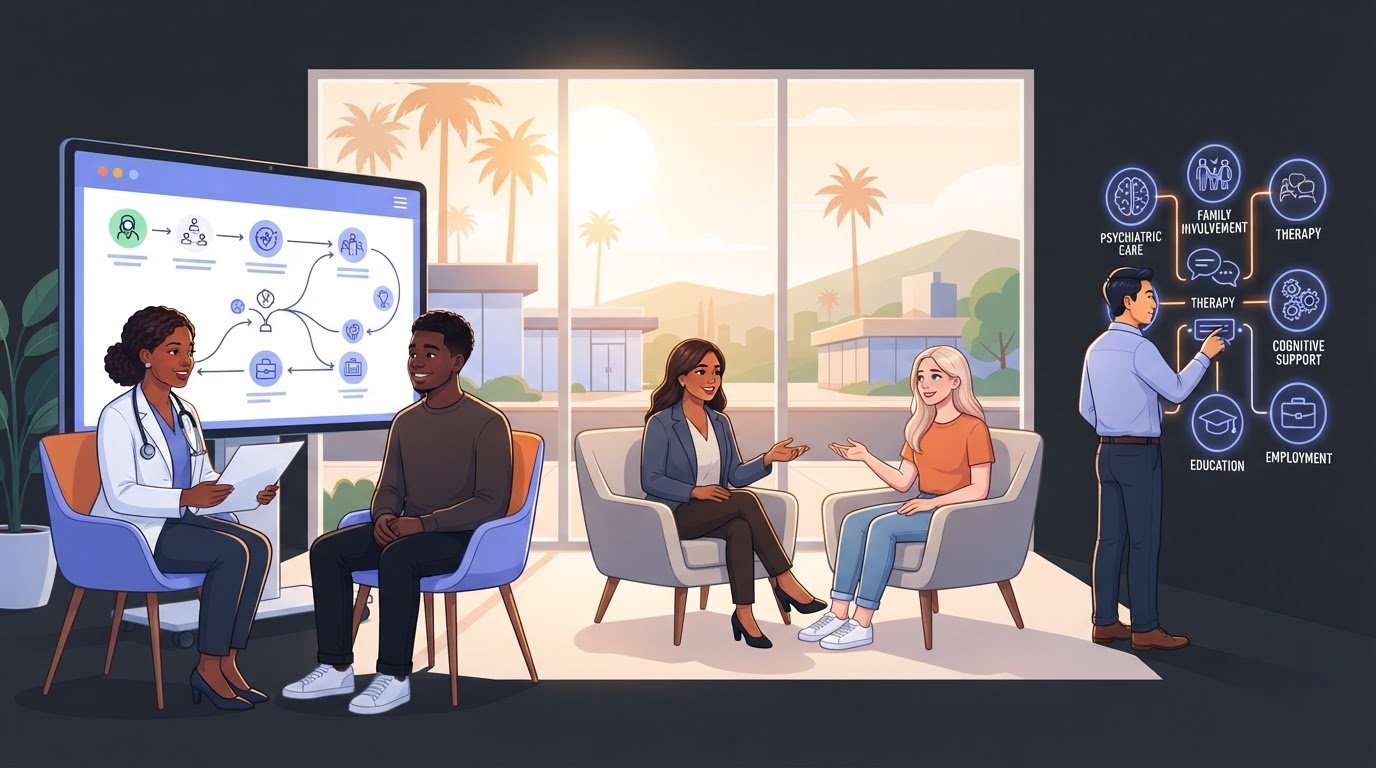
Clinical standards in 2026 prioritize the NAVIGATE framework for Coordinated Specialty Care (CSC). This model recognizes that medication, while a vital foundation, is rarely enough to achieve full functional recovery on its own. True wellness requires a multi-disciplinary approach that includes Cognitive Behavioral Therapy for Psychosis (CBT-P). This specialized therapy helps individuals identify and manage distressing perceptions or beliefs, allowing them to maintain their connection to reality even during high-stress periods. By addressing both the biological and psychological aspects of the condition, we move closer to the goal of long-term stability.
Innovative Therapies: MCT and SCIT
Modern treatment also incorporates innovative cognitive strategies like Metacognitive Training (MCT). This approach involves "thinking about thinking," helping individuals recognize the cognitive biases that can lead to paranoia or delusions. By slowing down the thought process, participants learn to challenge their own assumptions before they escalate into a crisis. Similarly, Social Cognition and Interaction Training (SCIT) focuses on rebuilding the ability to interpret social cues and navigate complex interpersonal dynamics. These tools are essential for those seeking Social Skills Training in Los Angeles to restore their confidence in community and professional settings.
The Role of Family Psychoeducation
Recovery is a collective effort, and family involvement is one of the strongest predictors of success. Research consistently shows that when families are engaged in the process, relapse rates drop significantly. Providing Family Psychoeducation in LA serves as a core pillar of care, equipping loved ones with the communication skills and crisis management tools they need. We understand the heavy emotional burden placed on caregivers, and professional support is vital to ensure the entire family unit remains resilient. If you're ready to move toward a structured recovery plan, contact our specialized team to begin the evaluation process.
Specialized Bipolar Recovery in Los Angeles: The Pand Health Difference
Pand Health approaches the question of what is bipolar disorder by focusing on the individual's future rather than just their diagnosis. While many programs stop at symptom management, our augmented Coordinated Specialty Care (CSC) model, California OnTrack, is designed for total life restoration. We believe that recovery is the expectation, not the exception. This philosophy is backed by our results; 85% of our clients return to employment or education within just six months of beginning the program. By combining clinical precision with intensive social and psychological rehabilitation, we provide a steady hand for families navigating these complex waters.
Our intervention goes beyond traditional talk therapy. We integrate physical fitness with high-intensity cognitive remediation to strengthen the brain's executive functions. This holistic approach ensures that as mood stabilizes, the individual's ability to focus, plan, and interact with the world is also restored. It's about providing a lifeline through expertise that has been proven to work for teens and adults aged 13 to 40. We don't just treat symptoms; we rebuild the foundations of a functional life.
The SEE Curriculum: Returning to Life
The journey back to normalcy often requires navigating the specific demands of the classroom or the workplace. Our Supported Education and Employment (SEE) model provides direct advocacy for students and employees throughout the Los Angeles area. We don't just prepare you for the transition; we walk alongside you. Our team uses the LA Work-Study Guide to implement vocational strategies that account for the unique challenges of bipolar recovery. Whether it's securing academic accommodations or managing workplace stress, we ensure our clients have the tools to succeed in their professional lives.
A Community of Recovery in Southern California
Social reintegration is a core pillar of our methodology. Through our clubhouse model, individuals find a supportive community where they can practice social skills in a safe, real-world environment. This sense of belonging is essential for long-term wellness and helps combat the isolation that often follows a psychiatric crisis. Our facility on West Olympic Blvd serves as a hub for this transformation, offering a specialized institution that remains deeply personal and human-centric. We invite you to schedule a comprehensive evaluation at Pand Health today and discover how our specialized leadership can help your loved one reclaim their life.
Embracing a Future Defined by Recovery
Understanding what is bipolar disorder is the first step in moving from crisis to clarity. We've explored how identifying the nuances of Bipolar I, Bipolar II, and schizoaffective disorder allows for a precise treatment roadmap that prioritizes safety and long term stability. By shifting the focus from simple symptom suppression to functional recovery, individuals can reclaim their educational and professional goals with confidence.
Pand Health provides the only outpatient Coordinated Specialty Care program in Southern California that offers certified Metacognitive Training. Our data driven approach delivers measurable hope. 85% of our clients successfully return to work or school within just six months of starting treatment. This specialized care results in a 6% rehospitalization rate, which sits well below the national average and reflects our deep commitment to community reintegration.
Take the First Step Toward Recovery: Contact Pand Health in Los Angeles
Recovery isn't just a possibility; it's the expectation for every individual we serve. Your family doesn't have to face this storm alone.
Frequently Asked Questions
Is bipolar disorder considered a form of psychosis?
Bipolar disorder is primarily classified as a mood disorder, though it can certainly involve psychotic features during severe manic or depressive episodes. In Bipolar I, individuals may experience hallucinations or delusions that represent a significant break from reality. This overlap is why specialized evaluation for thought disorders is critical for Los Angeles families. While psychosis is a symptom of the condition for some, it doesn't define the entire diagnosis. Accurate clinical assessment ensures that both mood and thought symptoms are addressed simultaneously.
Can bipolar disorder be cured, or is it only manageable?
While no permanent cure exists, the condition is highly manageable through evidence-based treatment that prioritizes functional recovery. At Pand Health, we view recovery as the expectation rather than the exception. By combining medication management with intensive psychosocial rehabilitation, individuals can achieve long term stability. Our data shows that 85% of participants in our California OnTrack program return to work or school within six months, demonstrating that a full, productive life is achievable after a diagnosis in Southern California.
How do I know if my teenager has bipolar disorder or just 'typical' mood swings?
Typical adolescent mood swings are usually brief and tied to specific events, whereas bipolar episodes last for days or weeks and significantly disrupt daily life. You should look for signs like sudden drops in grades, social withdrawal, or a decreased need for sleep. If these shifts interfere with their ability to function at school or home, it's time for a professional evaluation. Early detection in the 13 to 25 age group is the most critical factor for long term success.
What happens during a psychiatric evaluation for bipolar disorder in Los Angeles?
A comprehensive psychiatric evaluation at our Los Angeles facility involves a detailed review of medical history, symptom patterns, and family genetics. Our clinicians use standardized tools to distinguish between different types of mood and thought disorders. We also rule out external factors like substance use or physical health issues. This process helps families understand what is bipolar disorder in their specific context, providing a clear roadmap for the specialized care needed to restore normalcy and community function.
What is the difference between Bipolar I and Bipolar II?
The primary difference lies in the intensity of the "highs." Bipolar I requires at least one full manic episode, which often includes psychotic features like delusions or a total break from reality. Bipolar II involves hypomania, a less severe form of mania that is still disruptive but doesn't reach the level of a full manic break. However, Bipolar II is often characterized by more frequent and debilitating depressive episodes. Understanding these nuances is essential for tailoring the right medication and therapy approach.
Can cannabis use trigger a bipolar manic episode with psychosis?
Yes, high potency cannabis use is a well documented trigger for manic episodes and psychosis, particularly in individuals with a genetic predisposition to mood disorders. This can lead to a complex clinical picture where the drug's effects mask or exacerbate underlying bipolar symptoms. We offer specialized cannabis induced psychosis rehab to help individuals stabilize and distinguish between substance related symptoms and primary mental health conditions. Addressing both issues concurrently is vital for preventing future rehospitalization and ensuring a successful recovery.
How long does the California OnTrack program last for bipolar recovery?
Unlike many time limited interventions, our California OnTrack program offers indefinite enrollment to ensure continuous support throughout the recovery journey. We recognize that the path to stability isn't always linear, so we provide a steady hand for as long as the individual needs it. This long term commitment allows us to focus on sustained functional gains, such as maintaining employment or completing a degree. Our model adapts to the person's evolving needs, from intensive initial treatment to ongoing community reintegration.
Does insurance cover intensive outpatient treatment for bipolar disorder in California?
Yes, California's mental health parity laws, including SB 855, require private insurers to cover a broad range of mental health services, including intensive outpatient treatment. These regulations mandate that insurers use current clinical standards to make care decisions and provide coverage for out of network providers if in network options are unavailable. When navigating what is bipolar disorder treatment costs, families have the legal right to a "Good Faith Estimate" under the No Surprises Act. We recommend contacting your provider to verify benefits.
Disclaimer
This article is for information and educational purposes only, and can NEVER replace a proper medical evaluation. If you or a loved one may be suffering from psychosis or the prodomal symptoms of psychosis, get evaluated by a professional as soon as possible. Early diagnosis and treatment can be life-saving.