Schizoaffective Disorder Treatment: A Guide to Integrated Recovery in 2026
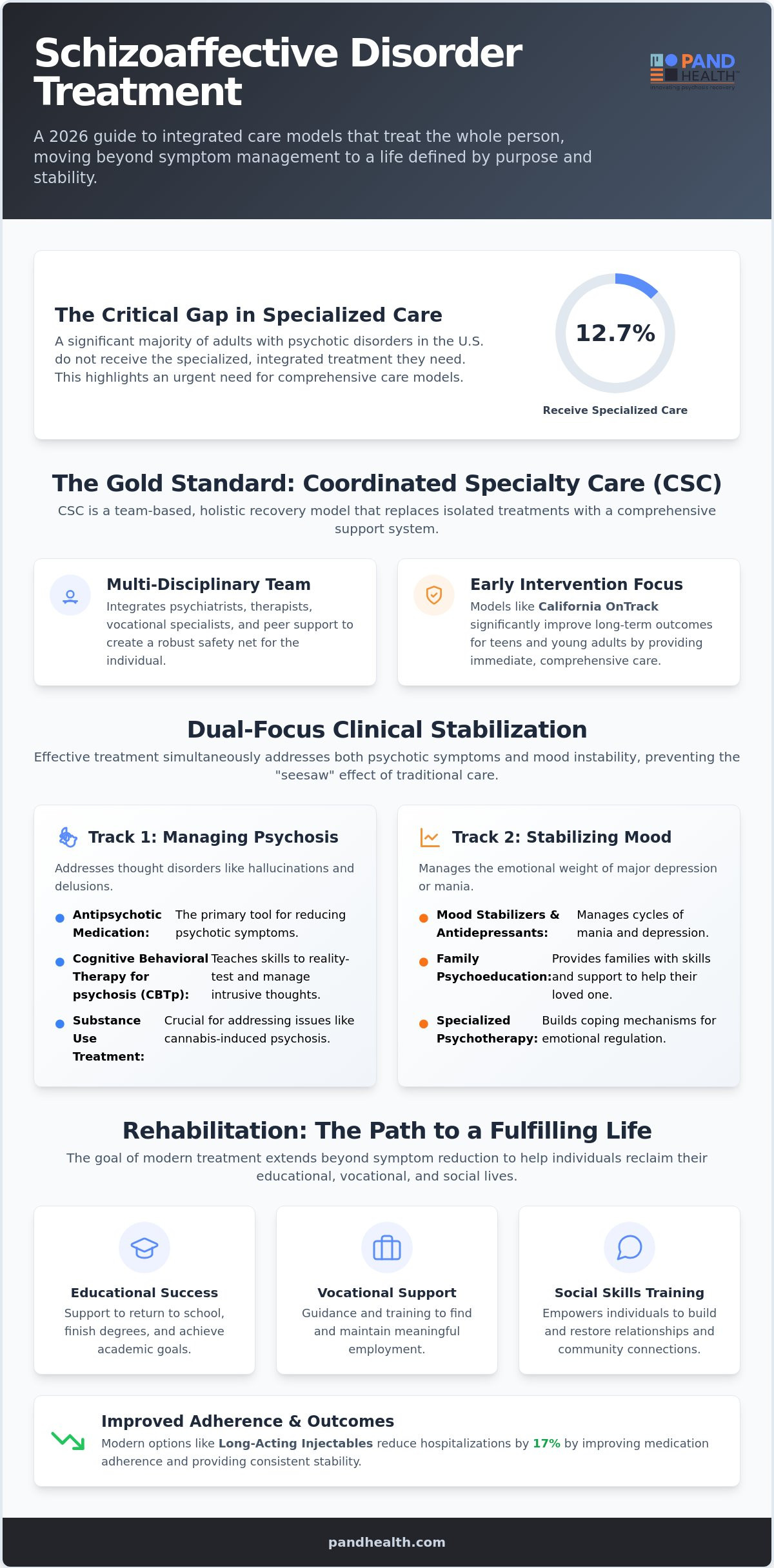
Only 12.7% of adults with psychotic disorders in the United States receive the specialized care they actually need. This gap often leaves families feeling stranded, especially when trying to find a schizoaffective disorder treatment that addresses more than just a chemical imbalance. It's exhausting to manage the nuances of bipolar versus depressive types while worrying that medication alone won't help your loved one return to school or hold a job. You aren't alone in wanting a higher standard of care that treats the whole person, not just the diagnosis.
We've reached a turning point in 2026 where recovery means more than just the absence of symptoms. Discover how modern integrated treatment models combine clinical expertise with social rehabilitation to help individuals lead truly fulfilling lives. This guide explores the newest non-dopaminergic medications like KarXT, the role of long-acting injectables in reducing hospitalizations by 17%, and how specialized programs like California OnTrack provide a clear path toward educational and vocational success.
Key Takeaways
- Learn why Coordinated Specialty Care is the 2026 gold standard for schizoaffective disorder treatment, replacing isolated therapy with a team-based recovery model.
- Identify how dual-track clinical stabilization manages both mood symptoms and hallucinations through evidence-based medication and specialized psychotherapy.
- Discover how social skills training and vocational support empower individuals to return to their educational and career goals after a crisis.
- Recognize the importance of early intervention through the California OnTrack model to significantly improve long-term outcomes for teens and young adults.
- Find specialized intensive treatment and family psychoeducation resources specifically designed for families in the Los Angeles area.
What is Schizoaffective Disorder Treatment? The Integrated Approach
Schizoaffective disorder is often misunderstood as simply a subset of other conditions, but it's a distinct clinical challenge that sits at the unique intersection of thought disorders and mood instability. Effective schizoaffective disorder treatment requires a dual focus that addresses both psychotic symptoms and the emotional weight of major depression or mania. In 2026, the clinical community has moved away from treating these symptoms in silos. Instead, modern protocols prioritize a comprehensive view of the individual, ensuring that mood stabilization and psychosis management happen in tandem rather than as separate, disconnected efforts.
The Hybrid Nature of the Diagnosis
To build a successful recovery plan, you must first understand the complexity of the diagnosis. Schizoaffective disorder is characterized by persistent psychotic symptoms, such as hallucinations or delusions, that occur even when a mood episode isn't present. This distinguishes it from schizophrenia with secondary mood features. A precise psychiatric evaluation is the essential first step because the treatment path changes depending on whether a patient presents with the Bipolar Type or the Depressive Type. Clinicians must also carefully rule out substance-induced causes, as cannabis-induced psychosis can often mimic these symptoms, requiring a different specialized intervention strategy.
Why Integrated Care Wins
The shift toward Coordinated Specialty Care (CSC) represents the most significant advancement in recovery outcomes over the last decade. This model is the 2026 gold standard for early intervention, moving beyond the traditional doctor-and-pill approach. By utilizing a multi-disciplinary team that includes psychiatrists, therapists, and peer specialists, we create a safety net that supports every aspect of a person's life. Schizoaffective disorder treatment is a holistic clinical and social intervention that bridges the gap between symptom suppression and meaningful community reintegration. This integrated method prevents the "seesaw" effect often seen in traditional care, where one symptom improves only for another to destabilize the individual's progress.
The ultimate goal of modern treatment is the restoration of normalcy and a high quality of life. It isn't enough to simply reduce the frequency of psychotic episodes; the focus has shifted toward helping individuals return to their families, finish their education, and pursue their careers. By combining clinical expertise with social rehabilitation, we help patients move from a state of crisis to a life defined by purpose and psychological stability. This path to recovery is built on the belief that a diagnosis shouldn't limit an individual's potential for a fulfilling and productive future.
Clinical Foundations: Medication and Specialized Psychotherapy
Stabilizing the brain's neurochemistry is the immediate priority in any effective schizoaffective disorder treatment plan. Because this condition involves both thought disruptions and mood instability, clinicians typically use a combination of antipsychotics and mood stabilizers. Antipsychotics address hallucinations and delusions, while mood stabilizers or antidepressants manage the cycles of mania and depression. This pharmacological foundation creates the necessary window of clarity for psychological work to begin. Without biological stabilization, the cognitive demands of therapy can often feel overwhelming for an individual in crisis.
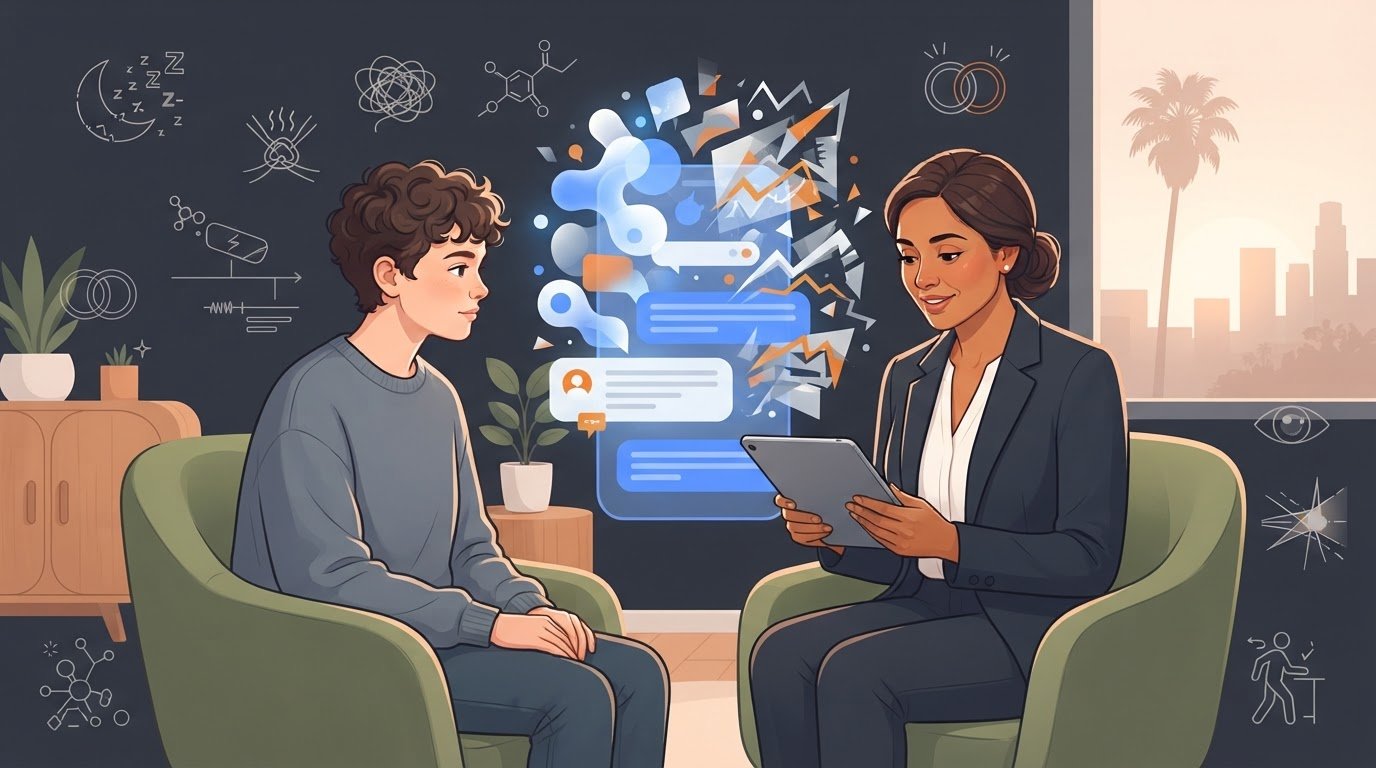
Psychotherapy for schizoaffective disorder has evolved significantly. Cognitive Behavioral Therapy for psychosis (CBTp) is a specialized approach where patients learn to "reality-test" their hallucinations. Instead of simply trying to ignore voices or intrusive thoughts, patients develop skills to evaluate their origin and reduce the distress they cause. This empowerment changes the patient's relationship with their symptoms, shifting them from a passive observer to an active manager of their own mental health.
A critical gap in many traditional programs is the failure to address substance use. Many families find that cannabis use significantly worsens psychotic symptoms or even triggers a relapse. Specialized cannabis induced psychosis rehab is often necessary to clear the confusion caused by substance use before the underlying schizoaffective symptoms can be fully managed. Addressing this connection directly is vital for long-term success.
Modern Pharmacological Options
In 2026, the landscape of medication has shifted toward better adherence and fewer side effects. While Paliperidone remains the only medication specifically FDA-approved for schizoaffective disorder, the approval of non-dopaminergic options like KarXT (Cobenfy) in late 2024 has offered new hope for those sensitive to traditional metabolic side effects. Furthermore, the use of long-acting injectables (LAIs) has become a cornerstone of modern care. Data from 2026 indicates that LAIs are associated with a 17% reduction in hospitalization risk compared to oral medications, simply because they remove the daily burden of pill management.
Family Psychoeducation and Support
Family involvement is the most reliable predictor of long-term stability. High levels of "expressed emotion" at home, such as frequent criticism or over-involvement, can unintentionally trigger a relapse. Family therapy at Pand Health focuses on lowering this tension and building a sustainable environment. Through psychosocial treatment and rehabilitation, families learn to communicate in ways that support the recovery journey. Resources like The Mind Exposed Podcast provide families with a lifeline of expert knowledge, helping them navigate the complex emotions of caregiving while maintaining their own well-being.
Social and Vocational Rehabilitation: The Path to Normalcy
Clinical stability is only half the battle. Once the brain is stabilized through schizoaffective disorder treatment, the focus must shift toward functional recovery. This phase involves relearning how to navigate the social and professional worlds that often feel distant after a psychotic episode. Peer support specialists play a vital role here; they've lived through similar challenges and act as a bridge between clinical protocols and the realities of daily life. By focusing on psychological rehabilitation, we help individuals move from being "patients" to being active participants in their own communities.
Comprehensive guidelines for Schizoaffective Disorder Diagnosis and Treatment emphasize that life skills training is just as crucial as medication for preventing social withdrawal. Without these skills, the risk of isolation remains high, even if hallucinations are well-managed. Modern recovery models treat social and vocational goals not as rewards for getting better, but as the very tools used to achieve stability.
Social Skills Training (SST)
SST is a structured intervention designed to improve interpersonal functioning. In a bustling, high-pressure environment like Los Angeles, social interactions can be complex and overwhelming. SST helps patients practice communication techniques, conflict resolution, and reading social cues through role-playing and real-time feedback. Research consistently shows that improving social competence directly reduces the risk of relapse and subsequent hospitalizations. It's about building the confidence to handle a job interview, a difficult conversation with a friend, or a crowded commute.
Vocational Support and Work-Study
One of the most damaging myths in mental health is that individuals with serious diagnoses should stop working or attending school until they're "cured." In reality, maintaining these goals is often a primary driver of long-term wellness. The California OnTrack Work-Study Program at Pand Health is designed to adapt to an individual's specific pace. Instead of a delayed approach, we integrate vocational support early in the schizoaffective disorder treatment process to ensure that your loved one's future doesn't have to be put on hold.
| Feature | Traditional Care | Vocational-Integrated Care |
|---|---|---|
| Primary Focus | Symptom suppression and stabilization first. | Functional goals and symptoms addressed together. |
| Timing | Career and school goals are often delayed. | Career and school goals are integrated from day one. |
| Social Risk | Higher risk of social isolation during recovery. | Built-in community and professional reintegration. |
| Support Level | Generic "life skills" advice. | Targeted support for specific job or academic tasks. |
Waiting for a crisis to occur before seeking schizoaffective disorder treatment can lead to years of unnecessary struggle. The "prodromal phase," or the period where symptoms first begin to emerge, offers a vital window for intervention. Research indicates that the first two years following the onset of symptoms are the most critical for determining long-term outcomes. By intervening early, we can often prevent the cycle of repeated hospitalizations and help young people stay on their intended life path.
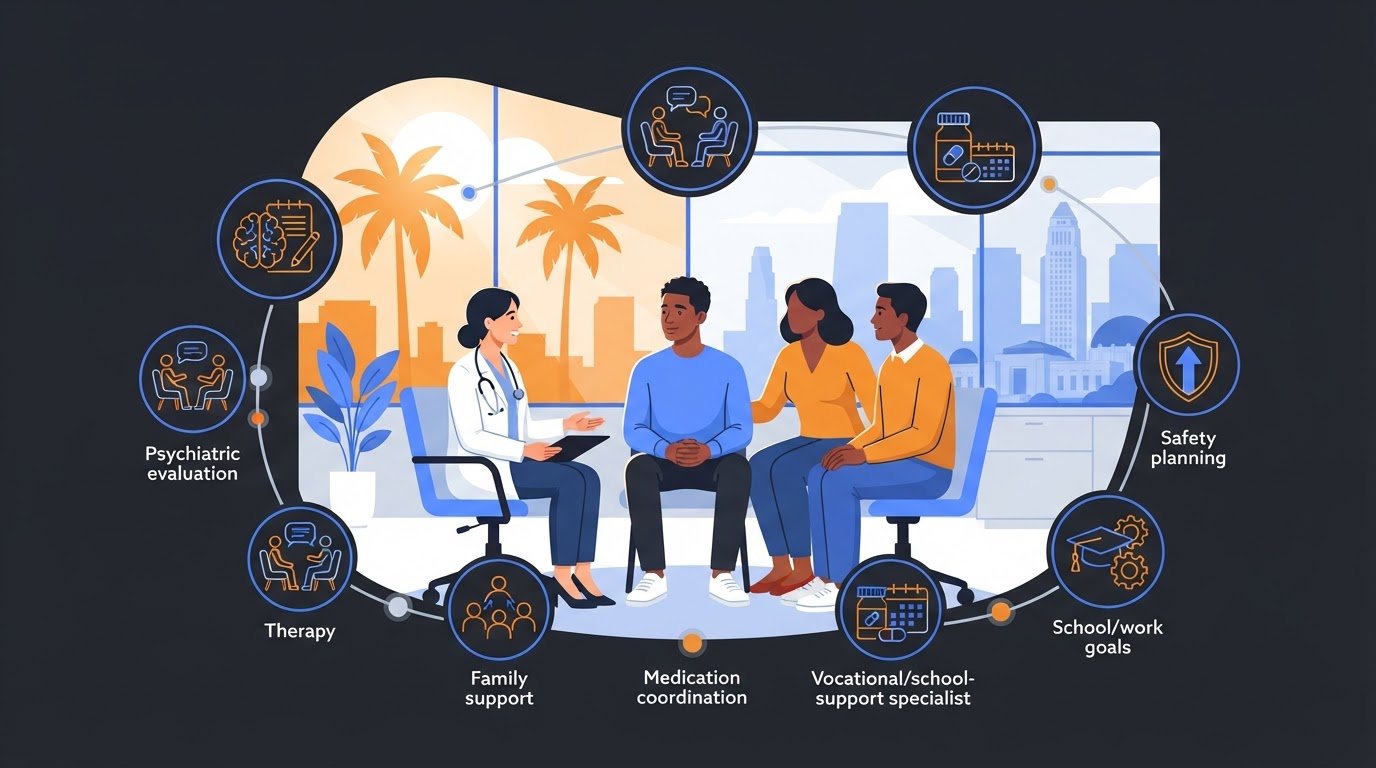
The California OnTrack model is a specialized form of schizoaffective disorder treatment designed specifically for teens and young adults aged 12 to 40. Unlike traditional residential hospitalization, which can isolate a person from their support network, intensive outpatient care allows the individual to remain in their community. This approach is built on five core pillars: specialized psychotherapy, low-dose medication management, family psychoeducation, supported employment or education, and peer specialist support. These elements work in unison to provide a comprehensive recovery framework that addresses the biological, psychological, and social aspects of the disorder.
Recognizing Early Warning Signs
Recognizing the subtle shifts in a young person's behavior is the first step toward recovery. Parents should look for specific red flags that may indicate the need for a specialized evaluation for thought disorders. While these signs can be subtle, they often form a pattern of decline that warrants professional attention:
- Social Withdrawal: A sudden loss of interest in friends or a preference for total isolation.
- Academic Decline: A sharp, unexplained drop in grades or school attendance.
- Magical Thinking: The emergence of unusual beliefs or suspiciousness that seems out of character.
- Emotional Flatness: A noticeable lack of emotional expression or inappropriate responses to situations.
The OnTrack Experience in Los Angeles
In a complex city like Los Angeles, navigating mental health care can feel like a secondary burden. The OnTrack experience provides a dedicated safety net, ensuring that every aspect of the recovery journey is coordinated by a single team. A unique feature of this program is the peer specialist, someone who has personal experience with mental health challenges and can offer a level of understanding that clinical staff alone cannot provide. This relationship helps reduce the stigma of the diagnosis and provides a visible example of successful recovery. To see how this works for younger individuals, Learn more about our California OnTrack for Teens program.
Early intervention isn't just about managing symptoms; it's about protecting the person's future and identity. If you've noticed these warning signs, it's time to reach out for a professional evaluation for thought disorders to ensure your family has the right support from the start.
Finding Specialized Care at Pand Health in Los Angeles
Choosing the right clinical partner is the most consequential decision a family can make when facing a complex diagnosis. At Pand Health, we provide a level of expertise in schizoaffective disorder treatment that goes beyond standard psychiatric care. Our focus is on the intricate intersection of thought disorders and mood instability, ensuring that every individual receives a precise evaluation that accounts for their unique symptoms. By combining clinical rigor with a deeply human approach, we act as a steady hand for families who have often felt lost in a fragmented mental health system.
Our intensive psychosis treatment programs are specifically designed for the realities of life in Los Angeles. We understand that recovery doesn't happen in a vacuum; it happens in the context of a person's home, school, and community. By prioritizing social and psychological rehabilitation, we help our clients build the skills necessary for long-term independence. This commitment to functional recovery ensures that our patients don't just achieve clinical stability, but also regain their sense of purpose and self-worth.
A Lifeline for LA Families
Pand Health prioritizes outpatient success over institutionalization because we believe that staying connected to one's support network is vital for lasting wellness. Our community-based treatment team provides a "lifeline" of support, offering intensive care that allows individuals to progress without the disruption of a hospital stay. This model fosters a sense of safety and continuity that is often missing in traditional settings. Pand Health is a recognized leader in specialized social skills training, helping clients navigate complex interpersonal environments with confidence and ease. This focus on real-world application is what sets our intensive treatment apart from generic psychiatric services.
Taking the First Step
The journey toward recovery begins with a comprehensive psychiatric evaluation at our Los Angeles clinic. During this initial process, our specialists conduct a thorough evaluation for thought disorders to ensure an accurate diagnosis and a clear path forward. Families are integrated into this process from day one, gaining access to essential family therapy and psychoeducation resources. We also encourage families to utilize the Mind Exposed Podcast to stay informed and supported throughout the recovery journey. Taking this first step can feel daunting, but you don't have to face it alone. Schedule a consultation for schizoaffective disorder treatment today and discover how our integrated approach can help your loved one lead a fulfilling life.
Reclaiming a Future Defined by Hope
Recovery in 2026 is no longer defined simply by the absence of symptoms, but by the restoration of a person's life and purpose. We've seen how integrated care models move beyond traditional isolation, combining advanced pharmacology with the social and vocational tools necessary for independence. By prioritizing early intervention and functional goals, it's possible to reduce the impact of psychotic episodes while maintaining a clear path toward school or work. You don't have to choose between clinical stability and a fulfilling life; modern protocols are designed to achieve both simultaneously.
Pand Health stands as a dedicated guide for families navigating these complex challenges. Our team specializes in the California OnTrack model and expert evaluations for thought disorders, ensuring that clinical expertise is always paired with profound empathy. Whether you're seeking a specialized Work-Study Program or comprehensive schizoaffective disorder treatment, we provide the steady hand needed to navigate the storm. We're committed to helping your loved one transition from a state of crisis to a life of long-term wellness and community reintegration.
Take the first step toward a stable and fulfilling future. Request a Clinical Evaluation for Schizoaffective Disorder in LA today. You've carried this burden long enough; let us help you find the way back to normalcy.
Frequently Asked Questions
How is schizoaffective disorder different from schizophrenia?
Schizoaffective disorder is distinguished by the presence of a major mood episode, such as mania or depression, alongside persistent psychotic symptoms. While schizophrenia primarily involves thought disruptions, schizoaffective disorder requires that the mood component be present for a majority of the illness. A precise psychiatric evaluation is necessary to distinguish between the two, as the presence of an enduring mood disorder significantly changes the clinical approach and medication strategy.
Can schizoaffective disorder be treated without medication?
Evidence-based schizoaffective disorder treatment almost always includes medication to stabilize the brain's neurochemistry. While therapy and social skills training are essential for long-term independence, they don't replace the need for antipsychotics or mood stabilizers. These medications provide the biological foundation that allows an individual to engage meaningfully in the psychological and vocational aspects of their recovery journey, ensuring they stay safe and grounded during the process.
What is the California OnTrack program?
The California OnTrack program is a team-based, early intervention model for psychosis. It's designed for young people aged 12 to 40 and uses a Coordinated Specialty Care approach. This means the individual receives psychiatry, individual therapy, family psychoeducation, and vocational support from a single, integrated team. It's specifically tailored to help young adults stay in school or keep their jobs while managing their symptoms in a community setting.
How long does treatment for schizoaffective disorder usually last?
The duration of treatment varies, but the intensive phase of programs like California OnTrack often lasts about two years. Recovery is a marathon, not a sprint; many people continue with less intensive maintenance care after the initial stabilization. The goal is to build enough resilience and social competence so that the frequency of psychotic episodes is reduced and long-term stability is maintained throughout the person's life.
Can someone with schizoaffective disorder hold a job or go to college?
Many individuals with this diagnosis lead successful professional lives and graduate from college. The key is accessing specialized vocational support early in the recovery process. Programs like our Work-Study Program help patients navigate workplace accommodations and academic challenges. With the right clinical and social support, a diagnosis doesn't have to be a barrier to achieving significant career or educational milestones in 2026.
Does cannabis use make schizoaffective disorder worse?
Cannabis use is known to worsen hallucinations and delusions, often leading to increased hospitalizations and slower recovery times. It can interfere with how medications work and significantly complicate the treatment process. For those struggling with both, a specialized cannabis induced psychosis rehab program is often the most effective way to clear the path for successful long-term management of their underlying mental health condition.
What is the role of a peer support specialist in treatment?
Peer support specialists provide a unique perspective because they have lived experience with mental health challenges. They act as a dedicated guide and a role model, showing patients that recovery is a realistic and achievable goal. By bridging the gap between clinical care and real-world social reintegration, they help reduce the stigma and isolation that often accompany a complex psychiatric diagnosis during the recovery journey.
How do I find a schizoaffective specialist in Los Angeles?
Finding a specialist in Los Angeles requires looking for centers that offer intensive outpatient care and specialized thought disorder evaluations. Pand Health is a leading provider in the LA area, offering the California OnTrack model for both teens and adults. Our team focuses on the niche needs of those with psychosis and mood disorders, providing a high standard of intervention that is both clinically rigorous and human-centric.
Related reading
- What is Coordinated Specialty Care?
- Prodromal psychosis and clinical high risk
- Cannabis-induced psychosis
- Learning about psychosis and thought disorders
- Genesis of psychosis: how delusions form
- Schizophrenia simulations
- Recognizing psychosis: what to look for
- Family materials and psychoeducation
- California OnTrack program
- Workplace accommodations